Garden Hose Color Chemistry for Vegetable Garden Nutrients
By Hana Kim • 29th May
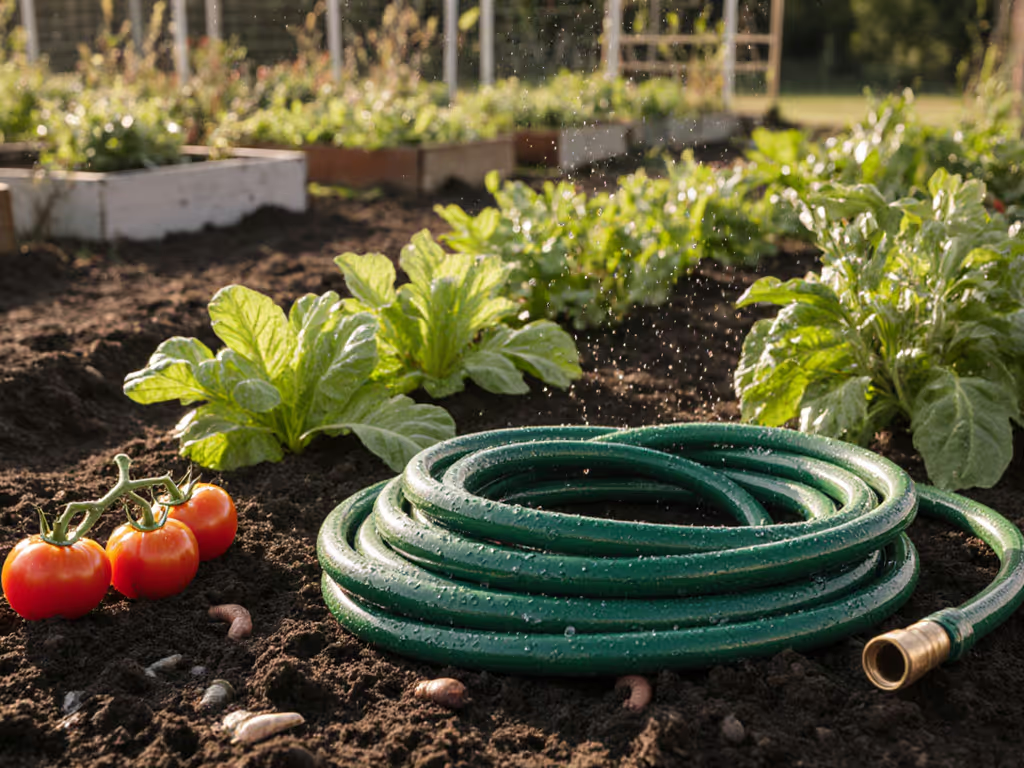
Garden hose color chemistry shapes how warm your water gets, how stable your water chemistry in vegetable gardens stays during watering, and how easy it is to keep your system safe for edibles (without changing the actual minerals in the water the way fertilizer does). In other words, garden hose color chemistry is mostly about temperature, light, and biofilm, which indirectly affect nutrient uptake, not magic nutrients hiding in the pigment.
If you've ever felt that first blast of hot water from a dark hose on a sunny afternoon, you've already seen the main way hose color nudges water chemistry for vegetable gardens: by changing water temperature long enough to matter to roots. For a deeper dive into how color affects heat retention and water temperature, see our hose color and temperature guide.
Think of hose color as a quiet thermostat on your irrigation line (not a fertilizer, but a powerful side setting).
1. Start with the real science: what hose color can and cannot do
Before we dive into specific colors, let's draw a clean line between myth and reality.
What hose color can do:
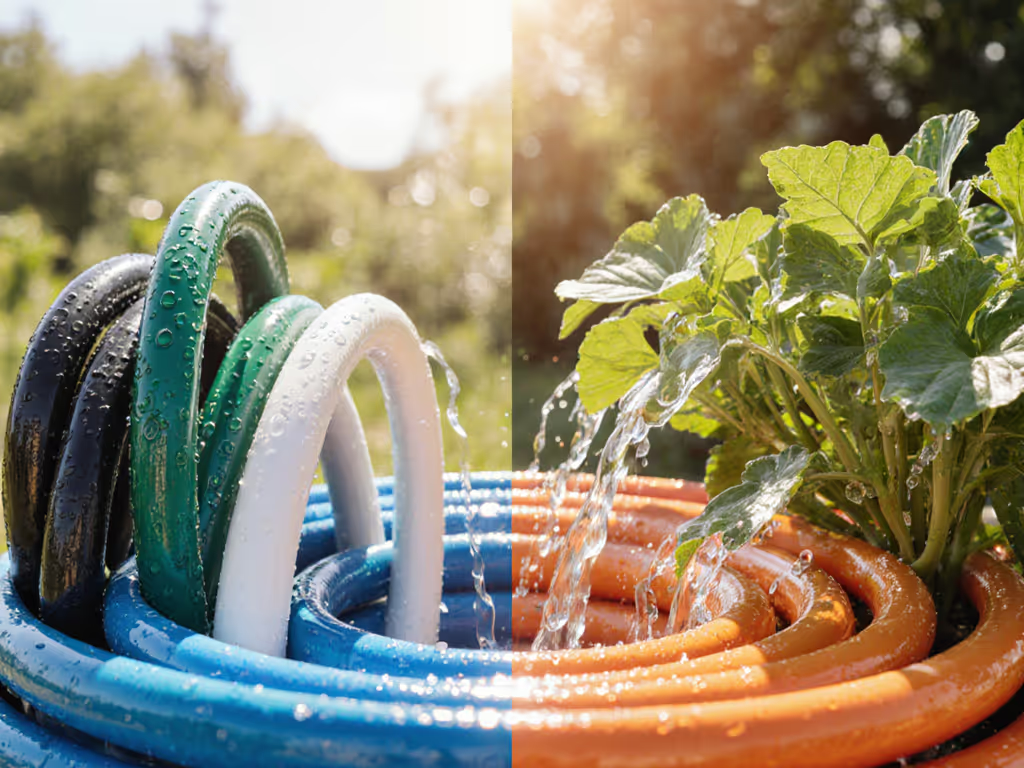
- Change water temperature as it sits inside the hose in the sun (dark absorbs more heat, light reflects more).
- Change light levels hitting the water, which can affect algae and biofilm growth in translucent hoses.
- Change surface temperature of the hose, which matters for handling comfort and hose longevity in hot climates.
What hose color cannot reliably do:
- It does not add or remove minerals from your water in any meaningful, garden-scale way; color pigments are locked inside the hose material under normal use (this is based on general polymer chemistry, not a specific study).
- It does not replace filtration or dechlorination.
- It does not override your hose material choice - lead-free, potable-safe construction matters far more than hue for edibles.
When you keep that frame in mind, "nutrient availability hose color" becomes less about magic chemistry and more about how temperature and light affect nutrient uptake and microbial life around your roots.
2. Dark vs light hoses: how much does temperature really shift?
For vegetable beds, the big question is simple: Will this hose color make my water too hot or help keep it in a friendly range?
- Dark hoses (black, deep green, dark brown) absorb more sunlight, so water sitting inside them can heat up quickly on hot, bright days.
- Light hoses (white, beige, pale colors) reflect more light and tend to keep standing water closer to ambient air temperature.
In full summer sun, water trapped in a dark hose can easily become hot enough to feel uncomfortable on your skin. That first pulse can briefly hit soil and root zones with water that is warmer than the surrounding soil.
From a vegetable garden water chemistry standpoint, the main concern here is stress, not nutrients suddenly disappearing. Very hot water can:
- Shock tender root hairs.
- Momentarily disturb microbial communities right at the soil surface.
But the exposure is short. Once the hot slug is flushed and you're running fresher water, temperature quickly normalizes in the soil column.
Practical takeaway:
- In hot, sunny climates, a very dark hose left pressurized in the sun all day is more likely to give you that scorching first blast.
- In cooler or shoulder seasons, that slight warming can be a mild advantage when watering seedlings early or late in the day.
3. Plant nutrient + water temperature: why the "comfort zone" matters
Now to the heart of plant nutrient water temperature.
Root systems in most vegetable crops are happiest when the soil around them is in a moderate range (neither ice-cold nor near-bathwater warm). Within that comfortable band, roots:
- Take up nitrogen, potassium, and other minerals more efficiently.
- Support healthier microbial partners (like mycorrhizae and beneficial bacteria).
If irrigation water is dramatically colder or hotter than the soil, you can see temporary slowdowns in uptake and mild stress. This is more noticeable in:
- Seedlings and transplants.
- Plants in containers or raised beds, where volumes are small and temperature swings faster.
Color comes in here because it influences how far from "soil temperature" your stored hose water drifts:
- A light-colored hose parked in partial shade keeps water closer to ambient conditions.
- A dark hose in full sun pushes temperatures higher before you even open the nozzle.
You cannot tune nutrients with color, but you can choose a hose color and parking spot that keeps water closer to your plants' comfort zone.
4. Clear and bright hoses: algae, biofilm, and hidden chemistry
If nutrients ride the water, anything growing inside the hose can change what comes out.
Translucent or clear hoses let sunlight penetrate the water column. Over time, especially with warm water and nutrient traces, this light can support:
- Algae growth.
- Bacterial biofilms along the interior walls.
Those growths can:
- Slightly alter pH and dissolved oxygen in the first water out.
- Shed particles that clog emitters in drip or soaker systems.
Opaque hoses, regardless of color, block most light and make it harder for algae to establish. So from a vegetable garden water chemistry standpoint, opaque beats clear, whatever the hue. If algae or slime has already built up, follow our biofilm removal guide.
If you like a bright color for visibility or aesthetics, aim for solid, non-translucent walls rather than see-through material.
5. Color vs material: safety for edible gardens
When we talk about colored hose nutrient effects, it's easy to confuse "color" with "material." For food gardens, the real question is:
Is this hose made from a safe, lead-free, potable-rated material, and then colored? Or is it a cheap, untested compound dressed up in a garden-friendly shade?
Color alone doesn't tell you:
- Whether the fittings are lead-free.
- Whether the hose is rated drinking-water safe.
- How much plasticizer, if any, might leach into standing water.
Those questions live in the specifications and certifications, not the paint box. For edible beds, start with our drinking-water safe hose guide.
So if you're watering edible beds, prioritize:
- Potable-safe or drinking-water-safe ratings.
- Lead-free or low-lead metal fittings.
- A durable, UV-resistant jacket, whatever the color, that won't crack and expose the inner layers.
Then let hose color fine-tune temperature and usability.
6. Match hose color to your climate and schedule
Here's where we make all this practical for water chemistry vegetable gardens day-to-day.
If you're in a hot, high-sun climate (US South, interior West, AU summers):
- Prefer lighter or mid-tone opaque colors (tan, light gray, lighter green) to reduce standing-water heat gain.
- Park the hose in dappled shade when not in use.
- Water early morning or near sunset, when ambient temperatures are lower. For hot-climate specifics and testing data, see our extreme-heat hose performance guide.
If you're in a cooler or short-season climate (northern US, Canada, UK):
- A darker hose can be acceptable, especially if you water mornings and don't leave it pressurized in direct sun all day.
- That slightly warmer first water isn't a downside for most soil-grown vegetables.
If you mostly water containers or raised beds:
- Treat temperature swings as a bigger deal.
- Bias toward a lighter hose and shaded storage so the first water is less extreme compared with the small soil volume.
7. Use hose color to protect nutrients with better timing
Color gives you a predictable pattern: you'll learn how hot or cool that hose runs by time of day.
To keep nutrient uptake in the sweet spot:
-
Flush the hot slug:
- On hot days with dark hoses, run water to a path or lawn until it feels close to air temperature before hitting vegetable beds.
-
Avoid mid-day extremes:
- Let hose color work with you by watering when both hose and soil are moderate (again, mornings and evenings).
-
Park with intention:
- Coil hoses where they're not baking on bare concrete, which drives higher temperatures.
- Even for dark hoses, laying them along a mulched or shaded edge softens the temperature spike.
None of this replaces good soil fertility, but it keeps your nutrient delivery vehicle (water) arriving in a form roots can use with less stress.
8. UV, fading, and lifespan: what color hints (and what it hides)
UV light slowly breaks down most hose jackets over the years. Color interacts with that in two ways:
- Darker colors can hide early fading and surface chalking longer, so damage is less obvious.
- Very light colors may show scuffs and cracks sooner, acting like an early warning.
What matters more than color here is whether the hose is UV-stabilized and rated for long-term outdoor exposure. To extend lifespan and keep water pathways clean, use the practices in our year-round hose maintenance guide.
For you as a gardener, the nutrient angle is simple:
- A hose that cracks or splits can draw in soil, bacteria, and debris, which then get flushed into beds.
- Stable jackets and solid fittings keep the water path clean, so what leaves the spigot is closer to what reaches the root zone.
9. A 5-minute "color chemistry" test for your own garden
Instead of guessing, you can measure how your hose color and placement are affecting water temperature in your own yard.
Here's a simple weekend test:
- Fill a bucket halfway from your hose after it has been sitting closed in the sun for at least an hour.
- Drop in a kitchen or compost thermometer and note the water temperature.
- Measure soil temperature in a representative vegetable bed (same depth as root zone).
- Compare the two.
If hose water is consistently much hotter or colder than the soil (say more than 10-15°F difference), you'll know you need to adjust:
- Hose color choice (lighter vs darker next time).
- Hose storage (sun vs shade).
- Watering schedule (time of day).
That small experiment turns vague ideas about colored hose nutrient effects into specific, local data you can trust.
10. A first-pass install checklist for color-smart veggie watering
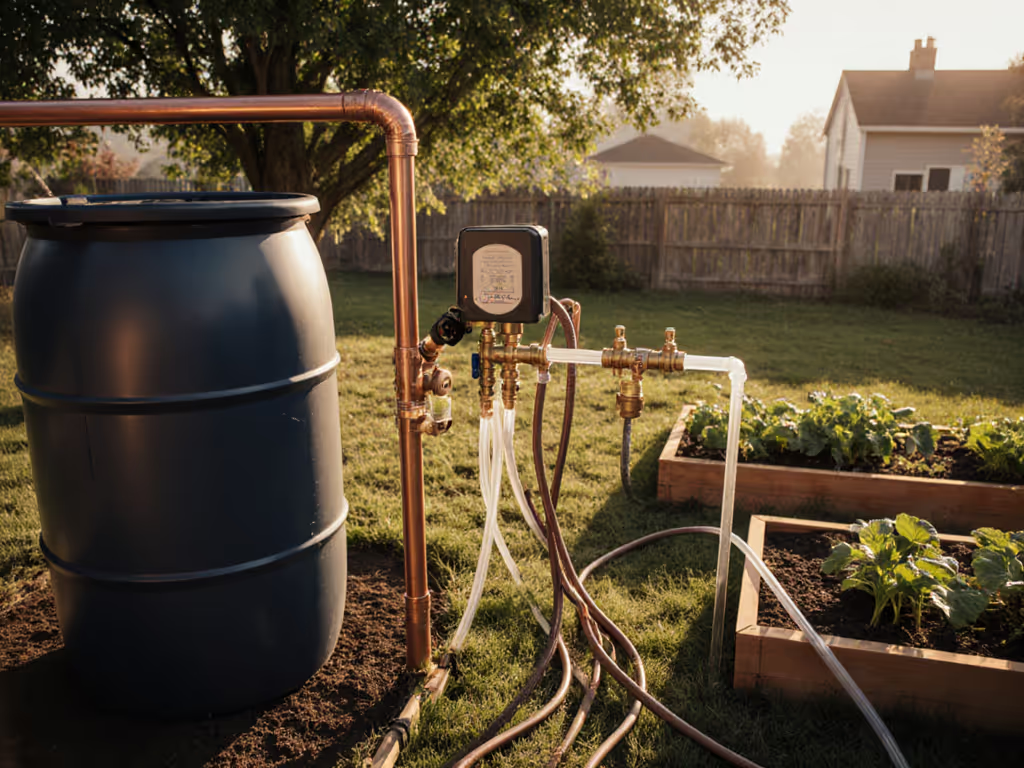
My neighbors joke that I have a checklist for everything, but it's how I stopped spending Saturdays swapping out fittings and "oops" purchases. Here's a compact list you can run once and then forget:
-
Start with the spigot, end with a click-fit finish.
- Confirm thread type and add a solid shutoff or quick-connect that you trust.
-
Choose hose material first, color second.
- Look for potable-safe, lead-free construction.
- Then pick color based on your climate and watering times.
-
Decide where the hose will live.
- Wall, reel, or ground stake, aim for partial shade if using darker colors.
-
Map your watering routine.
- Morning/evening: you can tolerate a slightly darker hose.
- Midday necessity (work schedule, etc.): lean lighter and flush before watering.
-
Do one temperature test.
- Run the bucket-and-thermometer check once per season; adjust if needed.
-
Lock it in as a first-pass install.
- When hose, fittings, and routine all match, label or note your setup so anyone in the household can water without rethinking it.
Start with the spigot, end with a click-fit finish, and let hose color quietly keep your veggie beds in the nutrient comfort zone.
Final verdict: does hose color really matter for vegetable garden nutrients?
Here's the short, honest answer:
- Hose color does not add or subtract nutrients from your water in any direct, measurable way under normal use.
- Hose color absolutely influences water temperature and light exposure, which in turn affect root comfort, microbial life, and how smoothly plants can use the nutrients already in your soil and water.
- Material, safety ratings, and UV stability matter more than hue for true water chemistry and food safety.
Use color as a quiet control knob: pick safe materials first, then select a shade that fits your climate, storage, and watering schedule. That small, intentional choice keeps your vegetable garden water chemistry in the comfort zone, so your plants can focus on turning nutrients into harvests, and you can spend your weekends picking tomatoes instead of wrestling with returns.
Related Articles