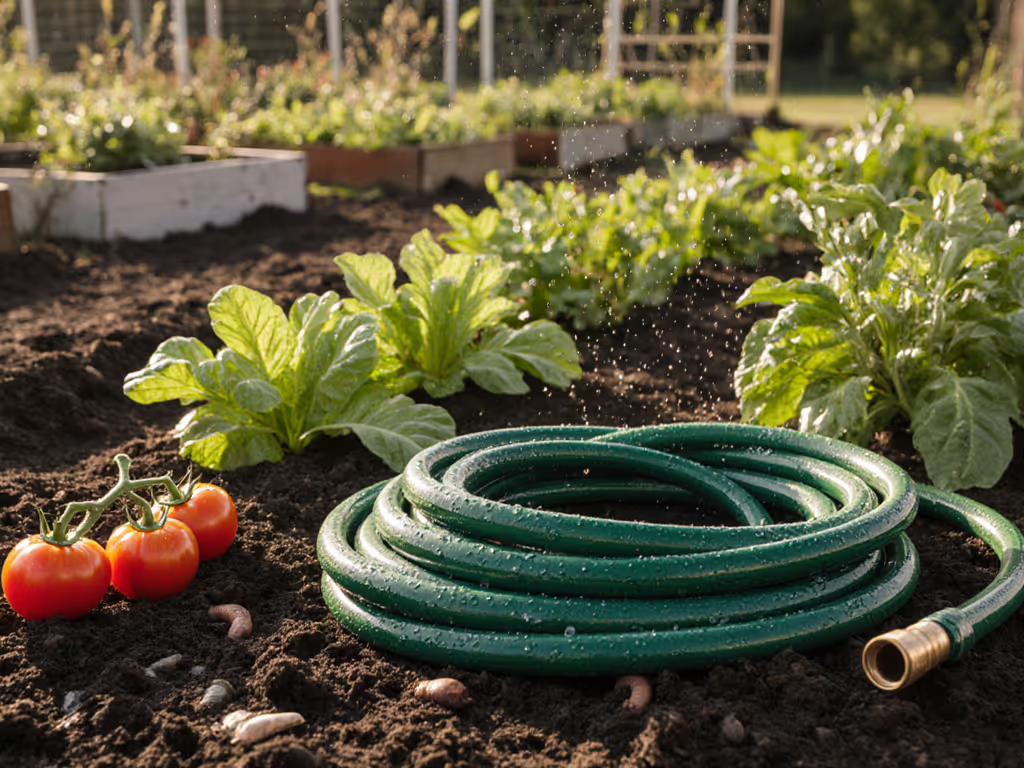
Professional Garden Hose: Off-Grid Elevation Setup
By Amina Okoye • 4th Apr
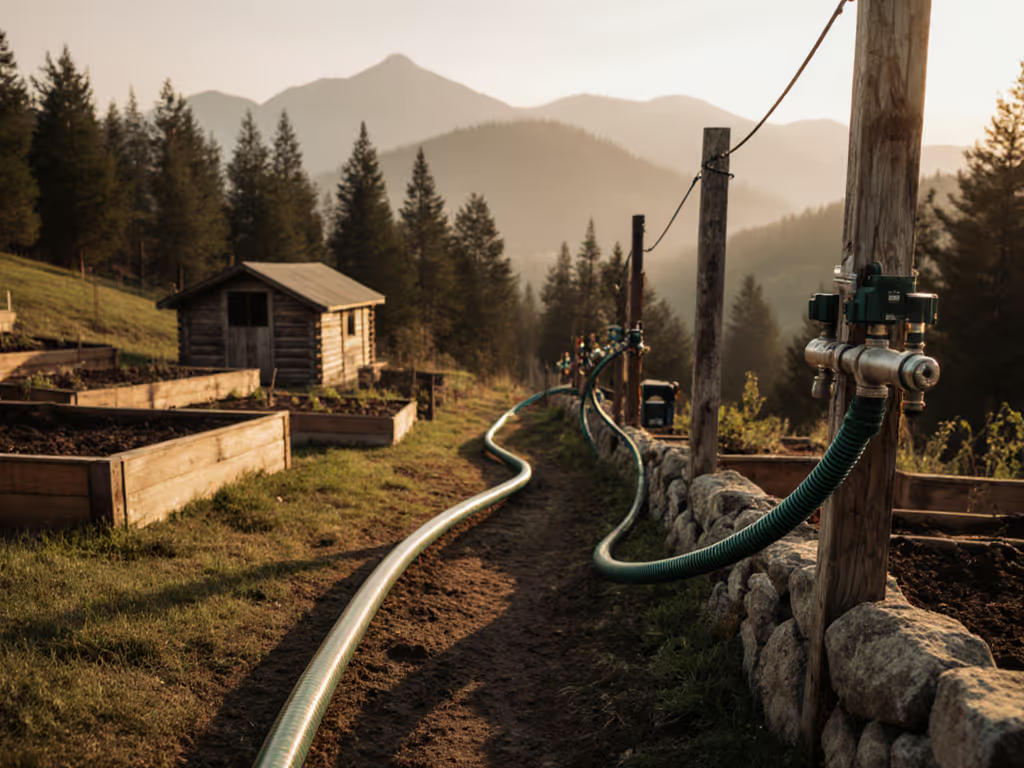
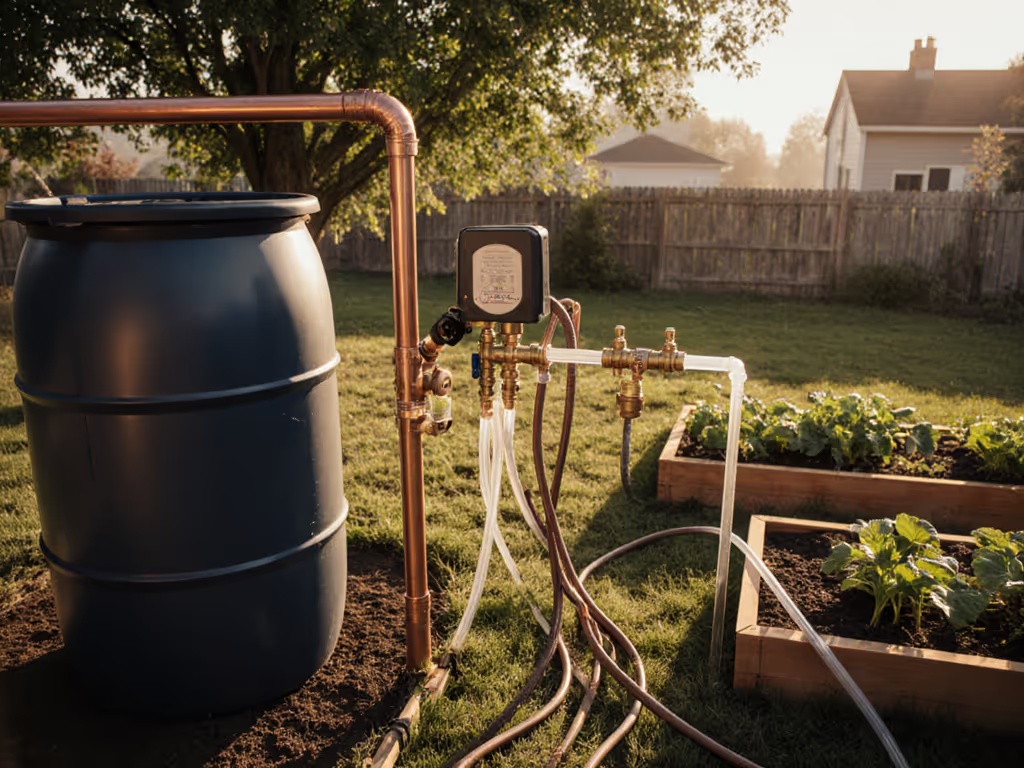
Watering a garden or landscape without running power lines or complex irrigation systems is entirely possible, and often preferable. A professional garden hose paired with smart off-grid watering system design can deliver consistent, reliable water pressure using nothing more than elevation-driven pressure and gravity. The key is selecting the right hose and understanding how to configure it for your terrain and climate.
Understanding How Elevation Powers Water Pressure
Elevation does the heavy lifting in off-grid systems. For every vertical foot of height, you gain approximately 0.43 PSI (pounds per square inch) of pressure (a principle that rural homesteaders, small commercial users, and gardeners in hilly terrain have relied on for generations). If your water source sits 20 feet above your garden beds, you're already working with roughly 8.6 PSI, enough to operate most drip lines, soaker hoses, and low-flow sprinklers without a pump.
The catch is simple: traditional garden hoses designed for backyard convenience often underperform in elevation setups. Flexible, lightweight hoses can collapse under modest pressure differences, and cheap plastic fittings leak or strip. A professional-grade hose with slope-based irrigation in mind prevents frustration and water loss.
What Makes a Hose "Professional" for Off-Grid Work
A professional hose differs from standard consumer models in three critical ways: pressure rating, fitting quality, and material consistency.
Pressure Rating and Wall Thickness
Professional hoses are rated for higher working pressures (typically 200 to 400 PSI), even if your elevation system only uses a fraction of that capacity. This robust construction means the hose won't weaken or split as it ages, especially under temperature swings common in freeze-thaw regions or high-heat climates. The thicker rubber or synthetic material resists UV degradation and maintains flexibility without becoming brittle.
Fittings Matter More Than You'd Think
The industry standard for garden hoses is GHT (Garden Hose Thread), but fitting quality varies wildly. Professional hoses feature nickel-plated brass or stainless-steel fittings that resist corrosion and won't leak after a season of use. Cheap plastic or zinc-plated fittings seize, crack, or develop pinhole leaks that silently waste water and pressure, exactly what you can't afford in an off-grid system where every drop counts.
When connecting multiple hoses or running passive irrigation techniques like soaker circuits, reliable fittings also prevent the frustration of mismatched threads or quick-connects that throttle flow or refuse to seal.
Hose Diameter and Flow Trade-offs
Garden hoses come in three standard diameters: 1/2 inch, 5/8 inch, and 3/4 inch. For elevation setups, this choice matters because longer hose runs create friction loss. A 100-foot 1/2-inch hose can lose significant pressure by the time water reaches the far end of your garden, while a 5/8-inch hose delivers better flow over distance with only slightly more weight to handle. Professional systems often opt for the larger diameter when covering ground, sacrificing a bit of portability for consistent performance.
Choosing Kink-Resistance and Lightweight Handling
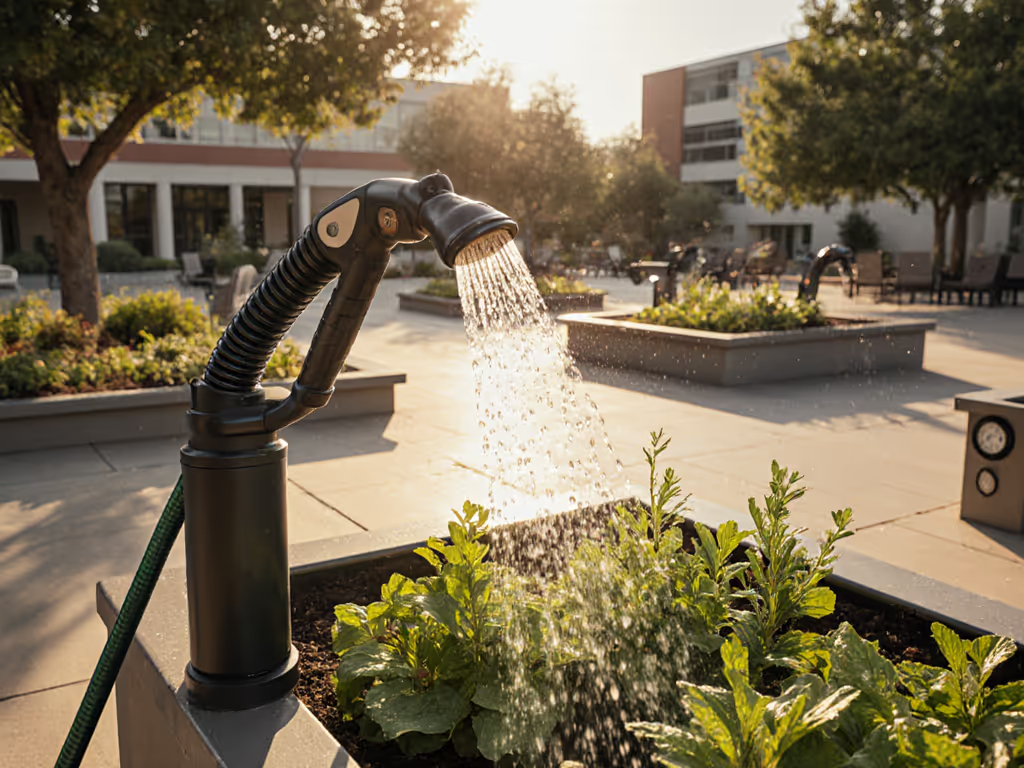
One of the most overlooked aspects of a professional setup is how the hose feels to use. At my community garden, we learned this lesson the hard way: a heavy, kink-prone rubber hose left volunteers with sore wrists after just a few watering cycles, and we worried about the hose kinking around our herb beds and restricting water to the edible plants. When we switched to a lighter, kink-resistant option with a swivel-grip nozzle and proper wall storage, watering sped up and fatigue disappeared. That's when we realized comfort and safety aren't luxuries, they're features that ensure people actually use the system correctly and consistently.
Look for hoses marketed as kink-resistant or flexible-but-durable. Modern professional hoses blend lighter polyurethane or hybrid rubber compounds with reinforced weave layers to resist kinking without sacrificing handling ease. If you're manually managing a hose across uneven terrain, a strain-free setup (one that doesn't exhaust you) is an investment in longevity. You'll maintain it properly, catch small leaks early, and use it for years instead of abandoning it after one frustrating season.
Setting Up Automatic Garden Watering with Elevation
Eliminating hand-watering is one of the biggest advantages of an off-grid elevation system. Here's the practical path:
Simple Passive Circuit
Run your professional hose from the elevated water source downslope to a simple Y-splitter with shutoff valves. One line can feed immediate garden beds or a soaker hose circuit; the other can flow to a secondary tank or backup use. No electricity, no timers, just gravity and valve control.
Pressure Regulation
Elevation-generated pressure can vary with the water level in your source tank and the season. Install an inexpensive pressure regulator (typically 20-50 PSI) near the hose outlet to protect drip lines and soaker hoses. This prevents over-watering in wet months and maintains even distribution across slope-based irrigation zones.
Filtration
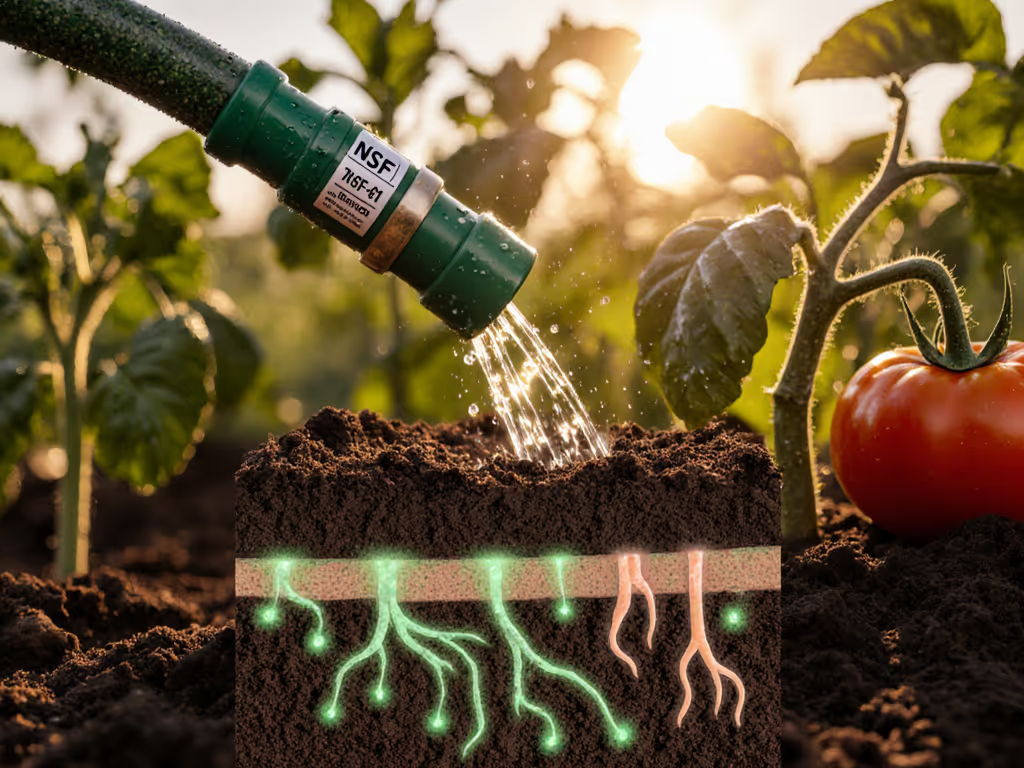
Earth, sediment, and mineral deposits are enemies of small nozzles and emitters. A simple 100-mesh screen filter upstream catches most debris and keeps your system flowing freely. Professional hose systems benefit from this protection because clogged lines eventually force pressure backward, straining fittings and seals.
Climate-Specific Considerations
Freeze-thaw cycles are brutal on hose systems. In cold climates, drain your elevation-fed hoses before winter or insulate them if they'll remain full. Hose material matters here too, professional-grade hoses tolerate repeated expansion and contraction without cracking, while budget hoses become brittle and fail.
In high-heat regions, UV exposure degrades rubber over time. Quality professional hoses include UV-resistant additives and are often dyed darker to reflect heat. Coiling a hose on a shaded reel or wrapping it in shade cloth during off-season storage extends its life significantly.
Maintenance and Long-Term Confidence
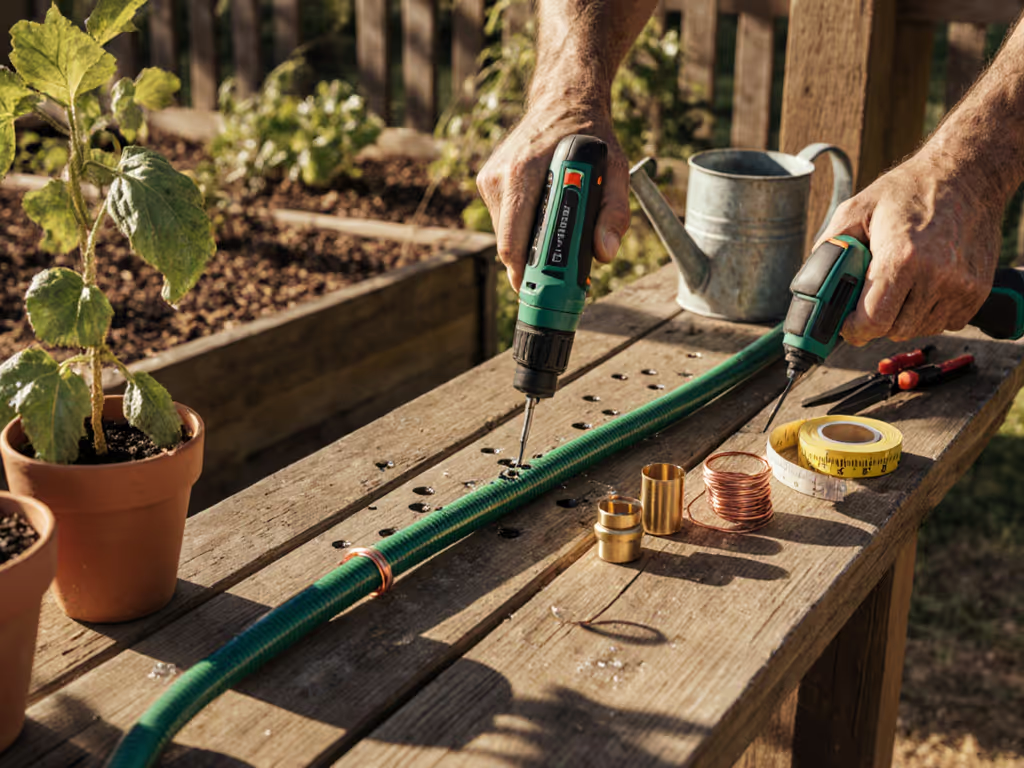
A professional hose requires minimal upkeep if chosen wisely. Rinse it after use, drain it before cold seasons, and store it out of direct sunlight. Keep a small kit on hand: spare washers, Teflon thread tape, and a fitting wrench. If a leak appears mid-season, see our garden hose repair kit guide for durable, pressure-tested fixes. When leaks develop (as they eventually will with any system), replacing a washer or swapping a fitting on a professional hose is straightforward, and spare parts are widely available.
Final Thoughts: Setting Yourself Up for Success
Off-grid watering systems appeal to homeowners and small commercial users because they're reliable, low-cost to operate, and rewarding to manage. The foundation of that success is a professional garden hose that fits your terrain, climate, and handling needs. By prioritizing kink resistance, reliable fittings, and proper diameter for your elevation and distance, you ensure a strain-free setup that works season after season.
Your system won't demand constant fiddling or replacement. It'll simply do its job, quietly, predictably, and with the dignity that comes from matching the right tool to the real work at hand.
Further Exploration
If you're ready to design your off-grid system, start by mapping your elevation gain and measuring your hose run distance. Sketch which garden zones will use soaker lines versus nozzle work. Visit local agricultural supply stores or online forums focused on small-scale farming and homesteading; community gardeners and small growers have real-world experience with professional hose setups in your climate. Ask specifically about brands and diameters that survived freeze-thaw cycles or intense heat in your region. You'll find peers who've already solved the puzzle, and their confidence in a well-chosen hose system will show you it's worth the upfront investment.
Related Articles