Gardening Water Pressure Guide: Match PSI to Tasks
By Amina Okoye • 31st Dec
If you've ever wrestled with a kinking hose or watched your seedlings get blasted by a pressure washer, you know task-specific hose pressure makes all the difference. This gardening water pressure guide cuts through the confusion with accessible, tested steps to match your water flow to actual garden needs, so every drop performs its job gently and effectively. After years stewarding our community garden, I've learned that comfort and safety aren't accessories; they're the foundation for consistent, joyful watering. When systems feel effortless and trustworthy, we use them right, season after season.
Why Your Garden's Pressure Puzzle Matters
Most homes deliver water at 40-60 PSI, far too high for delicate garden tasks. Excess pressure causes misting (wasting water), soil compaction, and even plant damage. Too little pressure starves roots and creates uneven coverage. Worse, mismatched pressure strains you, forcing stiff triggers or wrestling kinked hoses until wrists ache. Remember that optimal watering pressure isn't one-size-fits-all; it's calibrated to your task. Just like we discovered, swapping our heavy, lead-risk hose for a lighter, food-safe path to the nozzle transformed our herb beds from chore to joy.
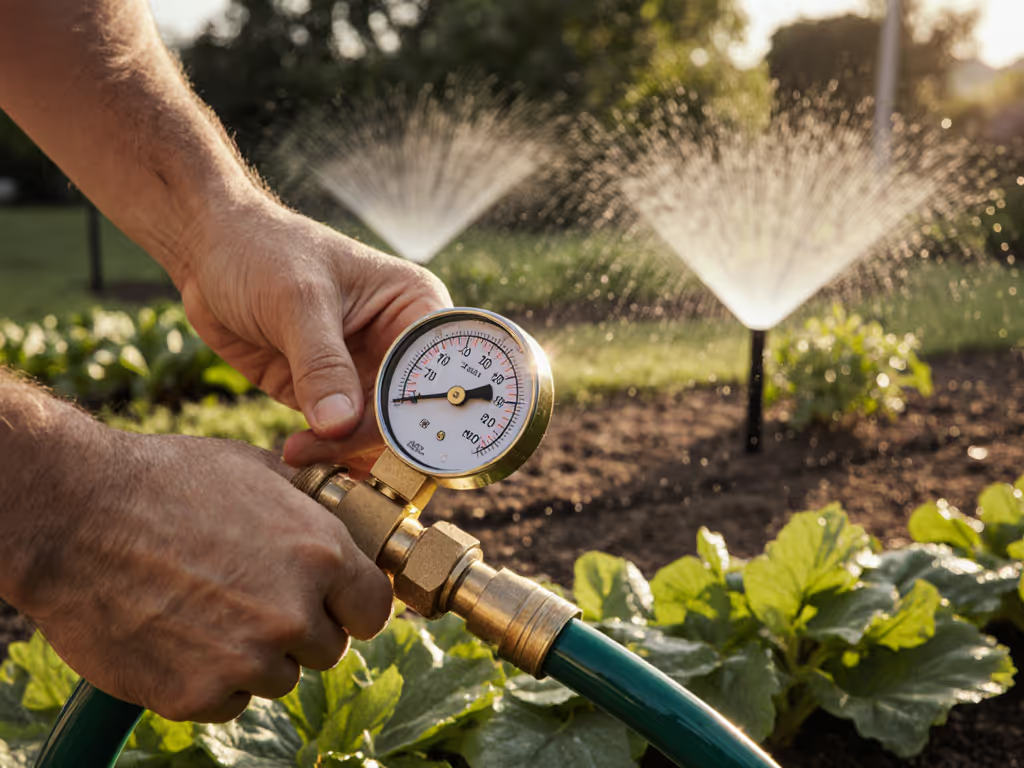
The 3-Minute Pressure Check You Should Do Today
Before adjusting anything, understand your baseline:
- Grab a $5 pressure gauge (screws onto any outdoor spigot)
- Turn off all indoor water sources (dishwasher, showers)
- Fully open the spigot, then note the reading
Comfort and safety are features, not accessories or afterthoughts.
Most homes read 50-70 PSI. If you're unsure how different hoses handle pressure, see our PSI ratings compared to match hose capability with your tasks. Now, let's match that flow to your garden's actual needs.
Step-by-Step: Match Pressure to Your Garden Tasks
Step 1: Identify Your Task's Pressure Sweet Spot
Different jobs need dramatically different force. Reference this quick guide:
| Garden Task | Ideal PSI | Signs of Trouble |
|---|---|---|
| Seedling beds | 10-15 PSI | Soil washing away, leaves torn |
| Vegetable beds | 15-20 PSI | Uneven moisture, puddling |
| Established lawns | 25-30 PSI | Mist/fogging, wasted water |
| Drip irrigation | 25-30 PSI | Leaks, emitter clogs |
| Car washing | 40-50 PSI | Streaking (too low), paint damage (too high) |
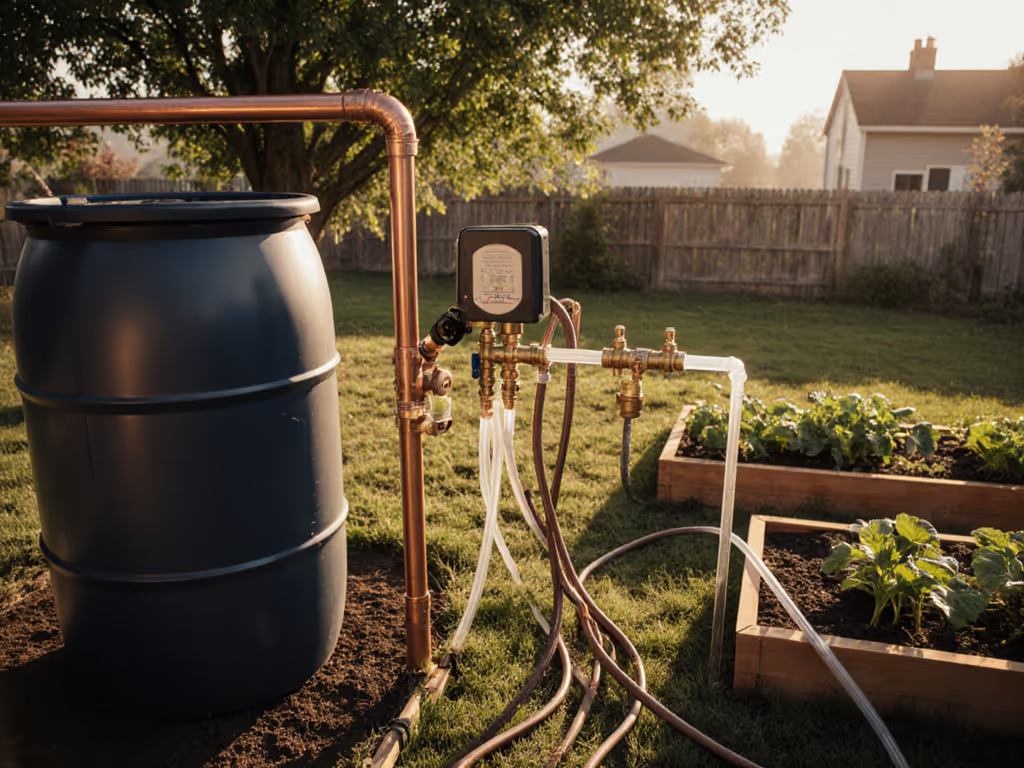
Note: For rain barrels, every 2.31 feet of elevation gain = 1 PSI. A 5-foot barrel yields ~2 PSI (great for drip systems, but it needs a pump for sprinklers). Planning long runs or multiple zones? Use our garden hose diameter guide to choose 1/2, 5/8, or 3/4-inch for optimal flow.
Step 2: Adjust Without Costly Regulators
Instead of installing permanent pressure reducers (which often throttle flow), try these zero-cost tweaks first: When you do need consistent, gentle flow, our tested garden hose pressure regulators keep PSI stable and protect delicate plants.
-
For high-pressure tasks (lawn, car wash):
- Partially close your spigot handle while observing spray pattern
- Target just enough pressure to cover the area (no misting)
-
For low-pressure needs (seedlings, drip lines):
- Use shorter hoses (under 50 ft) or wider diameters (3/4-inch)
- Select nozzles with built-in flow control (like adjustable shut-offs)
Pro Tip: If your hose reel sits below spigot level, gravity adds ~0.43 PSI per vertical foot, boosting pressure for distant beds! Pair that setup with leakproof, ergonomic nozzle sprayers so you can fine-tune flow without fighting the trigger.
Step 3: Test Comfort While You Test Pressure
Ergonomics matter as much as numbers. Hold your nozzle at waist height and spray steadily for 30 seconds. Stop immediately if you feel:
- Wrist strain from heavy triggers
- Shoulder tension from hose weight
- Hand fatigue from poor grip design
This is where many gardeners fail: tools that feel awkward get abandoned. Choose lightweight hoses (under 5 lbs/50 ft) with swivel joints at both ends (they reduce torque and kinking). Remember: your plant-specific water pressure is useless if your hands ice up or joints flare mid-task.
Avoiding Hidden Hazards: Safety First
The Food-Safety Check You Can't Skip
Edible gardens demand more than pressure control. Always verify:
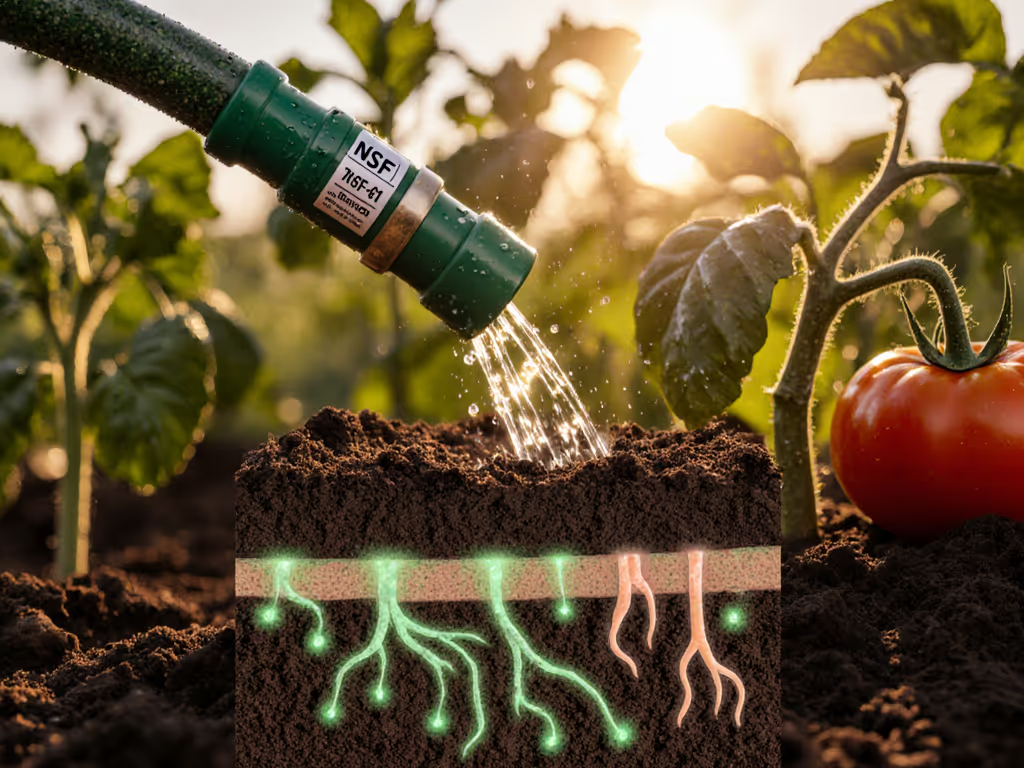
- Fittings are lead-free certified (look for NSF/ANSI 61 labels)
- Hose materials are BPA/phthalate-free (avoid "vinyl" or "PVC")
- Water sits stagnant after use (flush 30 seconds before watering plants)
I've seen gardeners unknowingly irrigate tomatoes with lead-tainted water from old brass fittings. That single mistake made our community garden's early harvests unusable. Never compromise on a food-safe path to the nozzle, especially for herbs and veggies. For product picks that meet safety certifications, see our water-safe hose guide.
Troubleshooting Pressure Problems
When flow feels off, diagnose with these questions:
- "Is my hose kinking at corners?" → Replace with flexible, reinforced rubber (not vinyl)
- "Does water spit after turning off?" → Check for worn O-rings in quick-connects
- "Why does pressure drop at far beds?" → Shorten hose length; 100 ft of 5/8-inch hose loses ~50% flow vs. 50 ft
Low pressure rarely means weak pumps, it usually means flow restriction from narrow fittings, kinks, or long hose runs. Start simple.
Your Pressure-Perfect Garden Starts Today
Matching water pressure to real tasks transforms watering from endurance testing to quiet satisfaction. You'll conserve water, protect plants, and spare your body, all while ensuring every drop nourishes safely. This isn't about chasing ideal PSI numbers; it's about creating systems that feel intuitive in your hands.
I challenge you: Tomorrow morning, do the 3-minute pressure check. Then water one seedling tray at 15 PSI versus 40 PSI. See how gently the low-pressure stream soaks roots without disturbing soil? That's the magic of garden task flow rates done right.
Related Articles