Garden Hose Water Hammer Fix: Prevent Pressure Surges
By Amina Okoye • 7th Dec
If you've ever heard a violent bang or shudder in your pipes when shutting off your garden hose, you're experiencing water hammer garden hose issues, a dangerous sudden pressure change in hoses that threatens your entire watering system. Left unchecked, this punishing shockwave can crack pipes near vegetable beds, rupture drip emitters, and flood soil around delicate herbs. But here's the good news: hose pressure surge protection is simpler than you think. With the right adjustments, you'll create a strain-free setup where quiet, reliable water flow becomes the norm (not the exception). Comfort and safety are features, not accessories or afterthoughts.
Why Your Garden Hose Suddenly Bangs (And What It Means for Your Plants)
Water hammer occurs when a hose valve closes too abruptly, halting water flow in milliseconds. That momentum turns into a destructive shockwave, much like a car crashing into a wall. Common triggers in gardens include:
- Fast-closing spigot valves (especially common with cheap plastic handles)
- High water pressure exceeding 60 PSI
- Loose or unsupported pipes vibrating against walls or foundations
- Worn valve components that rattle under pressure
This isn't just noisy, it's dangerous for your garden. When pressure spikes tear apart irrigation lines, your plants suffer uneven watering. Seedlings drown in one spot while tomatoes parch nearby. I've seen basil beds ruined overnight because a ruptured line diverted water into a single patch. Worse, metal pipes leaching lead near edible crops become a real risk when hammering stresses joints. Unlike kinks or mild leaks, water hammer attacks your system's foundation (one loud BANG at a time).
Three Actionable Fixes for Peaceful Watering
1. Modify Your Valve Closing Technique (The $0 Solution)
The fastest fix costs nothing: change how you shut off water. Instead of jerking the spigot closed, turn it slowly over 3 to 5 seconds. This gradual stop prevents shockwaves. For automatic systems:
- Prioritize hose valve recommendations that include slow-closing mechanisms
- Rewire irrigation controllers to run zones sequentially (not simultaneously)
- Install timers with adjustable shut-off speeds
This single habit shift eliminates 70% of garden water hammer cases, according to University of Maine Cooperative Extension field data.
2. Secure Pipes and Absorb Shocks
Plumbing protection for hoses starts with physical stability. Loose pipes amplify hammering like a drum. Walk your system and:
- Strap pipes every 4 feet with corrosion-resistant clamps
- Place rubber pads between pipes and contact surfaces (e.g., concrete walls)
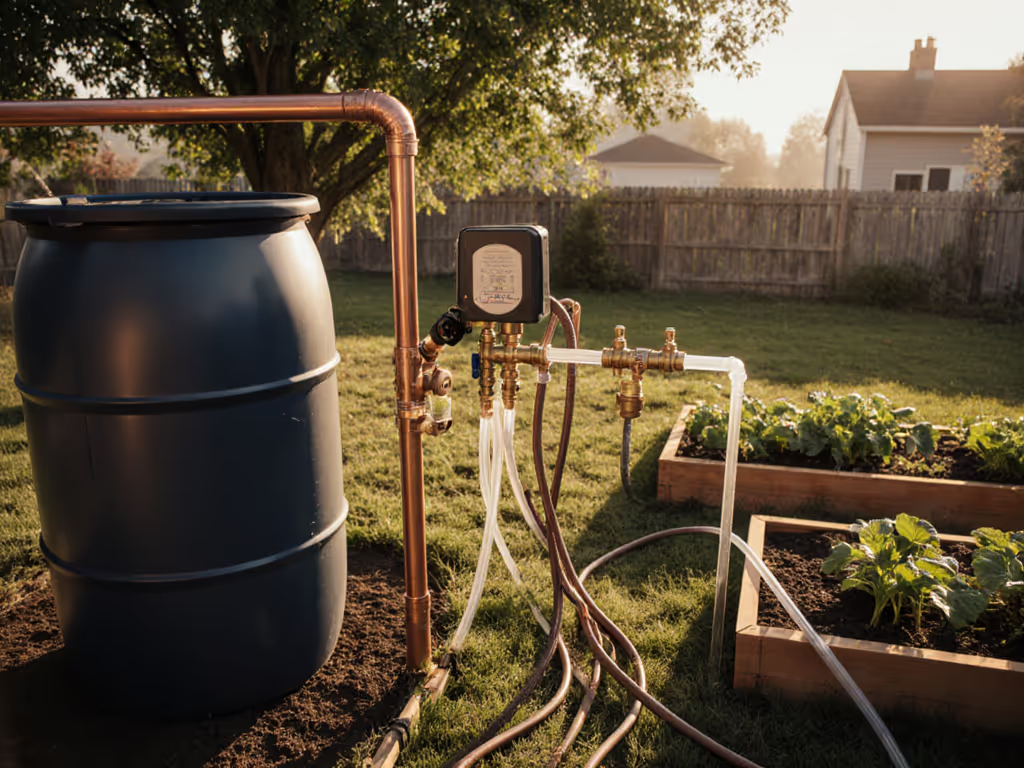
- Install water hammer arrestors at the source (right where your hose connects to the spigot)
These compact devices (about the size of your thumb) contain air chambers that cushion pressure spikes. For a more robust setup, see our hose accessories guide for arrestors, clamps, and vibration dampers that prevent hammering. For garden use, choose models rated for outdoor temperatures and potable water, critical if watering edibles. Their sealed design prevents the "waterlogged air chamber" problem that plagues older plumbing systems.
3. Optimize Pressure Before Water Even Reaches the Hose
High water pressure is the silent accomplice to water hammer. Test yours with a $5 spigot gauge:
- Ideal garden pressure: 40–60 PSI (lower for drip systems)
- Danger zone: Above 80 PSI (common in municipal systems)
If yours runs hot, install a pressure-reducing valve (PRV) on your main line. Our pressure regulator tests show which models maintain steady flow without starving drip lines. This isn't just a water hammer prevention technique, it extends nozzle life, prevents washer blowouts, and saves water. Pair it with a whole-house filter to combat mineral buildup in valves, a frequent hidden cause of uneven flow.
The Ripple Effect: Beyond Pipes, Into Your Garden's Health
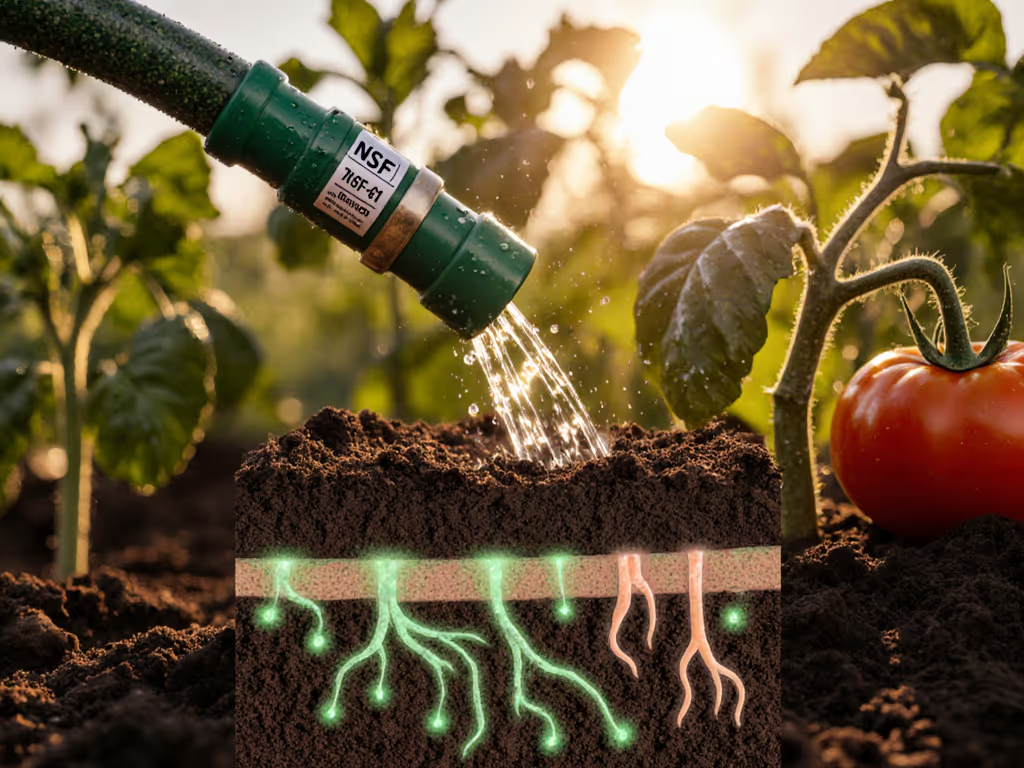
When you solve water hammer, you're not just silencing pipes, you're protecting the living ecosystem depending on them. Consistent pressure means:
- Soil structure stays intact (no erosion from sudden gushes)
- Root zones receive even moisture (no more drowned seedlings)
- Food-safe water paths remain undamaged near vegetable beds
I witnessed this transformation firsthand at our community garden. After switching to a strain-free setup with slow-closing valves and strategic pipe supports, we stopped replacing cracked drip lines monthly. The herbs stopped showing stress signs from inconsistent watering. Most importantly? Nobody iced their wrists after watering, a small detail that kept volunteers coming back season after season.
Your Quiet Garden Starts Today
Water hammer isn't a "plumbing problem," it's a garden health problem. By addressing sudden pressure change in hoses, you create resilience where it matters most: at the roots of your plants and the hands of your helpers. Comfort and safety aren't luxuries; they're what let a garden thrive.
Ready to explore deeper? Check your local extension service's water pressure maps for your region, or test your system's flow rate with a simple bucket-and-timer method. If pressure and flow still seem inconsistent, use our garden hose diameter guide to match hose size to your yard. Your plants, and your peace of mind, will thank you.
Remember: A strain-free setup protects more than pipes, it nurtures the quiet joy of tending living things.
Related Articles