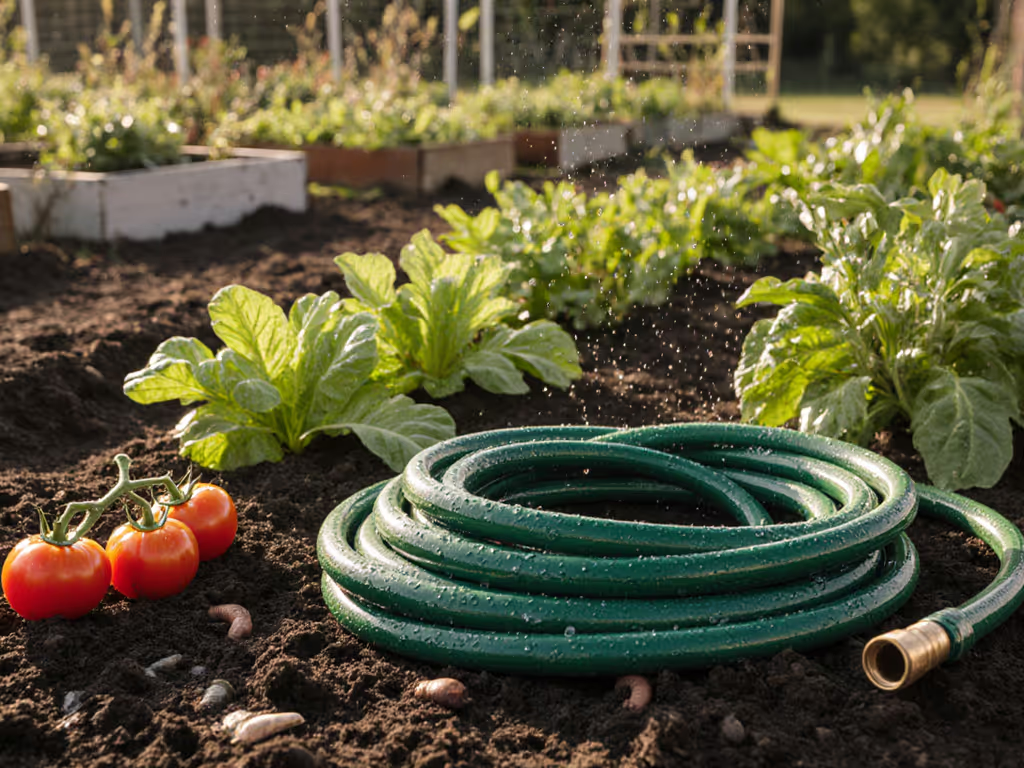
Garden Hose Microbiome: Harness Beneficial Bacteria for Plants
By Leif Sørensen • 22nd Jan
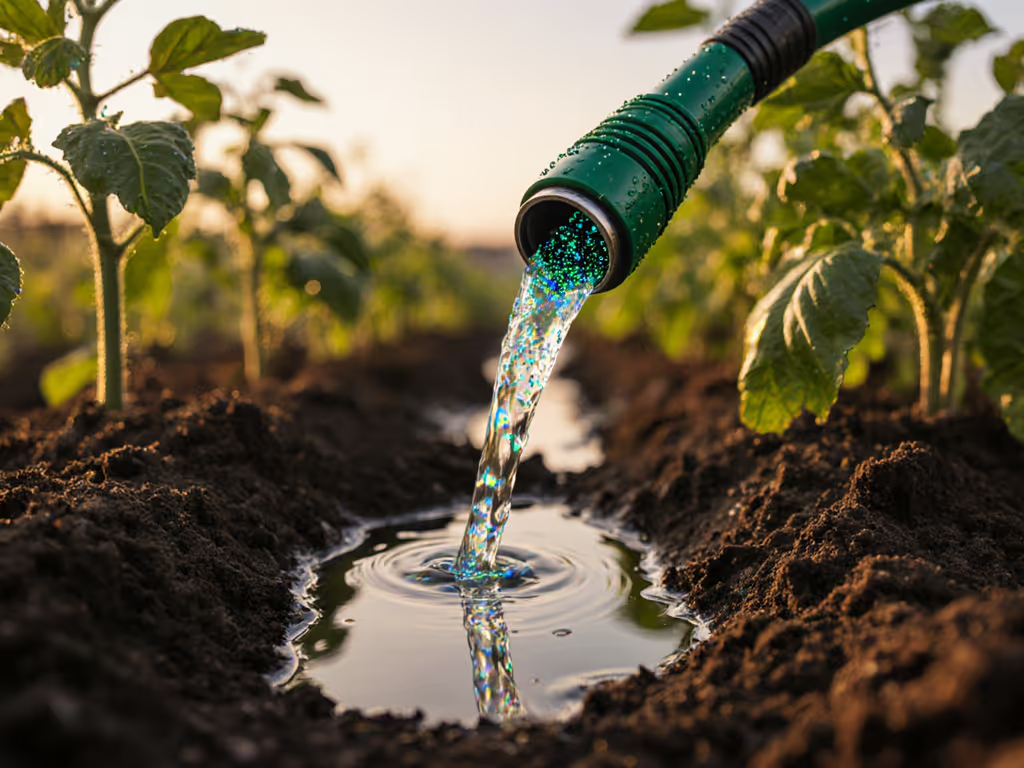
Your garden hose isn't just a conduit for water (it's a living ecosystem). Understanding the garden hose microbiome can transform how you nourish your plants, while attention to beneficial hose bacteria reveals an overlooked resource in your soil health strategy. As someone who's spent years engineering water systems that thrive through seasonal extremes, I've learned that what flows through your hose affects both your plumbing longevity and your garden's vitality. Biological water quality matters as much as physical durability when designing systems that deliver consistent results year after year.
What exactly is a garden hose microbiome?
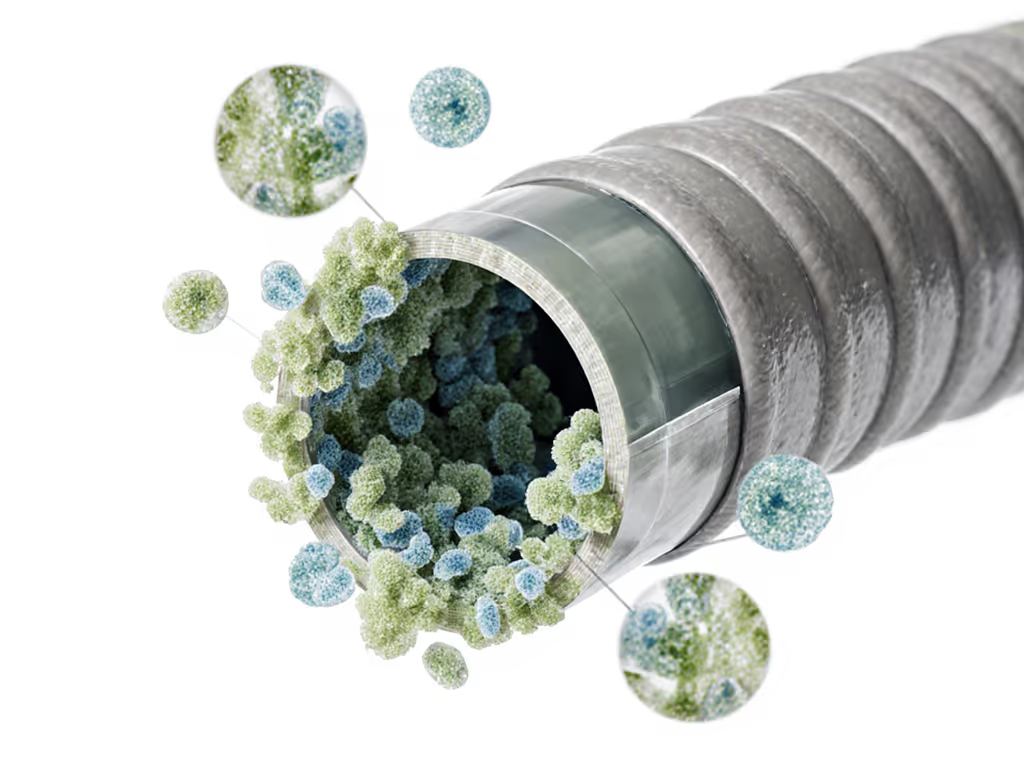
Contrary to popular belief, your hose isn't a sterile pipeline. When water sits stagnant in hoses, microbial communities establish biofilms (structured colonies encased in protective slime that adhere to the inner hose walls). Recent studies analyzing shower and plumbing hoses reveal complex ecosystems with hundreds of bacterial and eukaryotic taxa coexisting within these biofilms.
Unlike the problematic Legionella strains sometimes found in indoor plumbing (which thrive in warm, stagnant conditions), garden hoses host different microbial communities shaped by outdoor exposure, UV radiation, temperature fluctuations, and the organic matter they transport. These biofilms aren't inherently bad. They are natural biological systems that can become beneficial when properly managed.
The composition varies significantly based on your freeze-risk window, local climate, hose material, and usage patterns. If you garden in sub-zero climates, see our advanced hose winterizing guide to prevent stagnation and biofilm issues during long freezes. In colder regions, seasonal freeze-thaw cycles dramatically reshape these communities, while UV exposure in sunny climates creates different selective pressures.
Can garden hoses actually contain beneficial bacteria for plants?
Yes, and this is where things get interesting for gardeners. While much research focuses on problematic pathogens in indoor plumbing, outdoor garden hoses often develop different microbial profiles. Beneficial bacteria like Pseudomonas fluorescens (a natural disease suppressor), Bacillus species (nitrogen fixers), and various phosphate-solubilizing bacteria can establish themselves in garden hose biofilms, particularly in systems using rainwater or non-chlorinated sources.
The key is understanding that not all biofilms are equal. Hoses made with non-toxic materials that don't leach harmful chemicals provide better environments for beneficial microbes. I witnessed this firsthand after a surprise April freeze damaged a rental property's watering system (I upgraded to climate-appropriate components with proper drainage), and within a growing season, noticed improved plant vitality that I attribute partly to healthier microbial transfer.
Build for your climate, and leaks stop before they start.
How does the hose microbiome connect to soil microbiology?
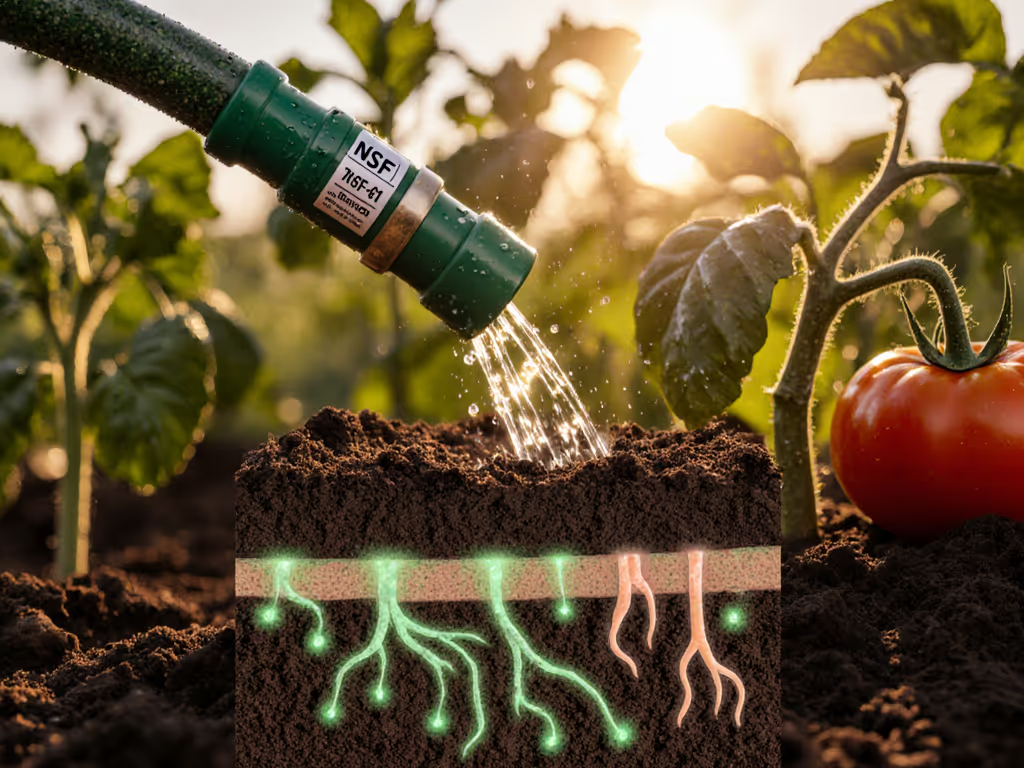
The soil microbiology connection operates through what researchers call "microbial inoculation" (the transfer of microorganisms from water to soil during irrigation). Studies show that watering practices directly influence soil microbial communities, which in turn affect nutrient cycling, disease suppression, and plant growth.
When you water with hose water containing diverse, beneficial microbes, you're essentially giving your soil a probiotic boost. This is particularly valuable in urban gardens or new landscapes where soil microbiology may be depleted. The microbial diversity in your hose water can enhance soil structure, improve nutrient availability, and create more resilient plant ecosystems.
However, this connection works both ways, and poor-quality hose water with imbalanced microbial communities can introduce pathogens or disrupt beneficial soil processes. That's why understanding your biological water quality is as important as checking physical water quality.
Can strategic watering maximize beneficial microbes for plants?
Absolutely, through watering practices that leverage your hose's natural microbial ecosystem. Here's how to optimize:
- Water in the early morning: Cooler temperatures reduce thermal shock to microbes while allowing maximum absorption before evaporation
- Avoid complete stagnation: Rotate between multiple hoses to prevent "dead zones" where undesirable microbes dominate
- Use appropriate hose materials: Rubber and certain food-grade polyurethane hoses support healthier microbial communities than cheap PVC that leaches plasticizers
- Implement periodic flushing: Before watering sensitive plants, run water for 30 seconds to clear any potentially problematic stagnant water
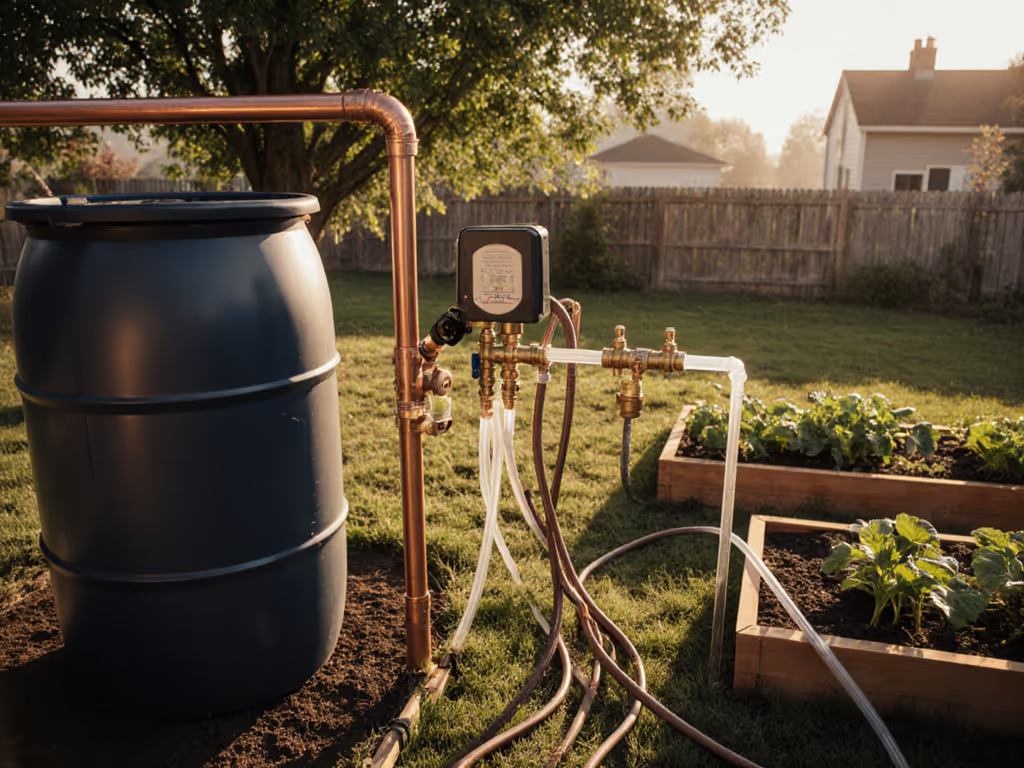
- Harvest rainwater when possible: Rain barrels develop rich microbial communities that can enhance garden soil biology
Think of your watering routine as cultivating a microbial pipeline from source to soil (each component affects the final biological delivery to your plants).
What's the relationship between hose quality and biological water quality?
Your choice of garden water hose directly impacts microbial health. Inferior hoses with leaching chemicals, inconsistent internal diameters, or poor drainage create environments where beneficial bacteria struggle while pathogens potentially thrive.
Code-compliant, climate-appropriate hoses provide consistent internal conditions that support stable microbial communities. For example, hoses with proper UV resistance maintain structural integrity that prevents microfractures where harmful bacteria could proliferate. Similarly, freeze-proof designs that fully drain eliminate stagnant water pockets where problematic biofilms develop during shoulder seasons.
When evaluating hoses for biological water quality, prioritize:
- Potable-water certification (look for NSF/ANSI 61) For edible gardens, consult our guide to drinking-water-safe hoses to minimize leaching risks.
- UV-resistant outer layers
- Proper drainage mechanisms
- Consistent internal diameter
- Climate-appropriate materials (rubber for cold zones, reinforced poly for heat)
I've audited countless systems where switching to climate-matched components improved both system longevity and what flows through them (proof that engineering excellence serves biological health too).
How can gardeners optimize their hose microbiome for plant health?
Start with prevention: design your watering system with climate margins in mind. My engineering approach emphasizes:
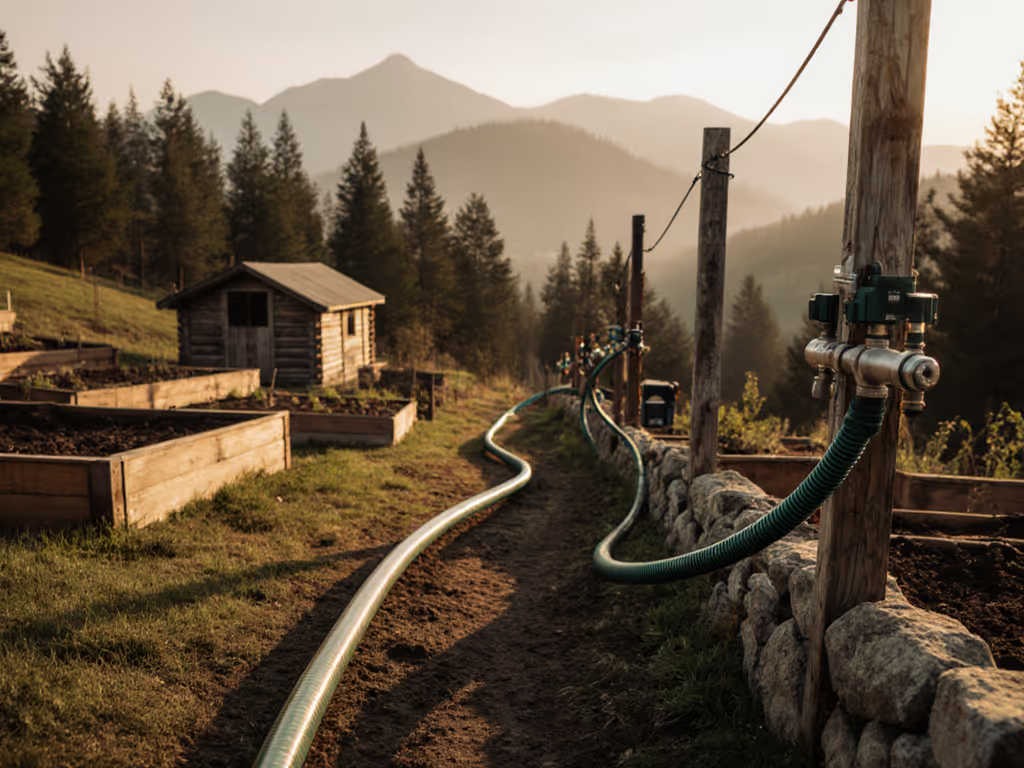
- Strategic component selection: Match hose materials to your specific climate zone to avoid freeze damage or heat degradation that disrupts microbial balance
- Complete drainage design: Ensure all water exits the system after use. No trapped water means no stagnant microbial breeding grounds
- Regular maintenance rhythm: Flush systems seasonally and inspect for micro-damage that could harbor problematic biofilms
- Water source awareness: Understand how your water source (municipal, well, rainwater) shapes initial microbial composition For material choices matched to hard well water, chlorinated municipal water, or rainwater, use our water chemistry guide.
- Temperature awareness: Avoid watering with extremely cold water directly from a hose that's been sitting in full sun
These principles prevent the common failure modes that lead to both system breakdowns and compromised biological water quality.
Final Verdict: The Microbial Advantage in Garden Watering
The garden hose microbiome represents an underutilized resource in sustainable gardening. By understanding that your hose functions as a living ecosystem rather than a simple pipe, you can harness beneficial hose bacteria to enhance soil health and plant vitality.
Climate-aware design prevents the breakage that disrupts microbial balance (whether from freeze damage leaving water trapped in vulnerable sections or UV degradation creating microfractures where pathogens can establish). The same engineering principles that extend your hose's lifespan also preserve the biological water quality essential for thriving plants.
My recommendation: Treat your watering system as both a physical and biological infrastructure. Choose components that withstand your specific freeze-risk window, ensure complete drainage to prevent stagnation, and recognize that what flows through your hose affects far more than just water delivery (it shapes your garden's microbial foundation).
When properly managed, your garden hose microbiome becomes a consistent delivery system for beneficial microbes that support everything from nutrient uptake to disease resistance. This isn't just about preventing problems: it's about creating biological advantages that give your plants the edge they need to flourish.
Related Articles