Latex-Free Garden Hoses: Safe Materials for Allergic Gardeners
By Hana Kim • 7th Mar
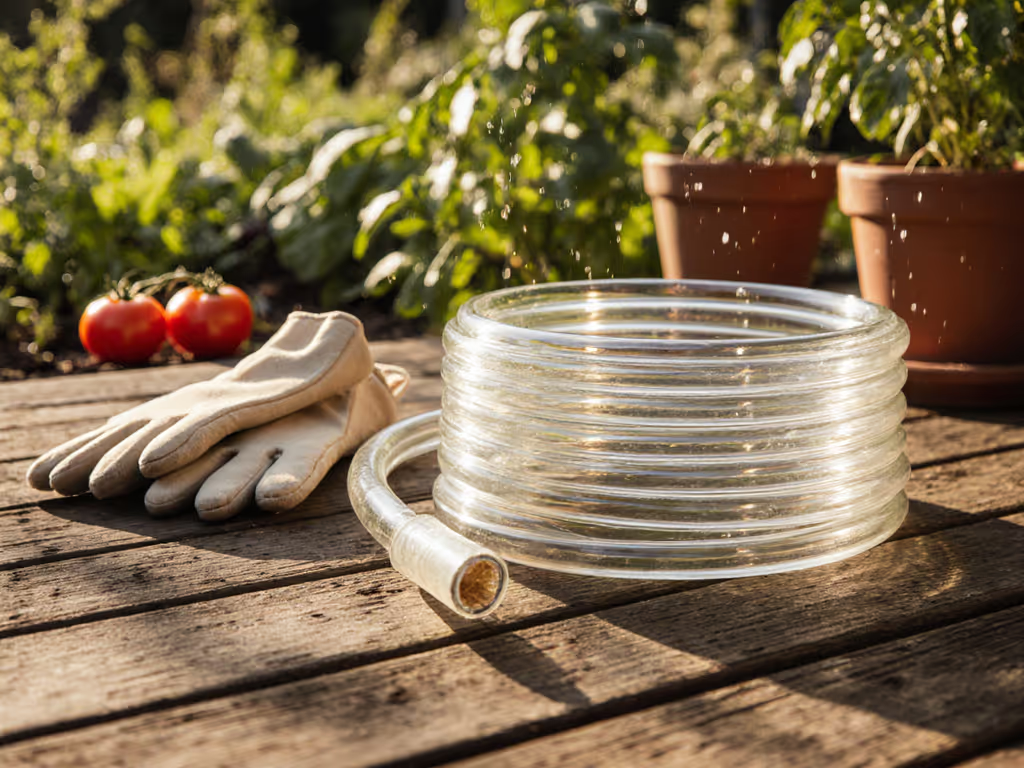
If you break out in hives when you grip a rubber hose, or you've learned the hard way that latex lurks in places you'd never expect, you know how isolating a contact allergy can feel, especially when something as ordinary as watering your garden becomes a minefield. The good news: professional garden hoses made from the right materials can give you a truly great watering hose experience without triggering a reaction. The real work is knowing what to reach for, and why.
When I was fielding support calls year after year, I noticed a pattern: people with latex sensitivity were either avoiding outdoor work altogether or wrestling with mislabeled products that promised safety but didn't deliver. The confusion was real, because hose packaging rarely spelled out what would and wouldn't touch your skin safely, and sales teams defaulted to vague reassurances. I started mapping which materials were genuinely latex-free, which certifications actually meant something, and which products had earned trust through transparency. That research became a lifeline for dozens of gardeners who thought they'd have to give up the work they loved.
Understanding Your Allergy and Hose Materials
Latex sensitivity ranges from mild contact dermatitis to severe respiratory reactions, and it's not simply about avoiding rubber. The culprit is a protein found in natural rubber, not all rubber-like materials. Many synthetic polymers (including polyurethane, thermoplastic rubber, and synthetic nitrile) contain zero latex and are safe for sensitive skin. Stainless steel and brass fittings, by contrast, are naturally latex-free. If you grow edibles, see our water-safe garden hoses guide to understand why certifications matter for food safety. The trap is that manufacturers often don't distinguish between natural and synthetic in their labeling, and some older or cheaper hoses blend materials in ways that aren't transparent on the package.
Your first-pass install should start by confidently identifying which hoses are documented latex-free. That clarity prevents returns and weekend frustration.
The Safest Materials: Polyurethane, Stainless Steel, and Virgin Synthetics
Polyurethane: The Reliable Choice
Polyurethane hoses have become the gold standard for allergic gardeners and anyone concerned with potable water safety. When labeled FDA and NSF grade, these hoses are engineered to be 100% virgin polyurethane (meaning they are manufactured fresh, not recycled from other plastics that might harbor contaminants). Virgin polyurethane is free from latex, BPA, phthalates, and lead, and it won't leach those chemicals into water even under UV stress or heat.
The appeal goes beyond safety. Polyurethane bridges the gap between stiff plastic and unwieldy rubber: it's lightweight enough for one person to handle, flexible enough to bend around corners, and durable enough to withstand UV exposure and temperature swings without cracking. For gardeners with limited hand strength or mobility concerns, the weight difference alone is often life-changing.
Stainless Steel Hoses: The Longevity Pick
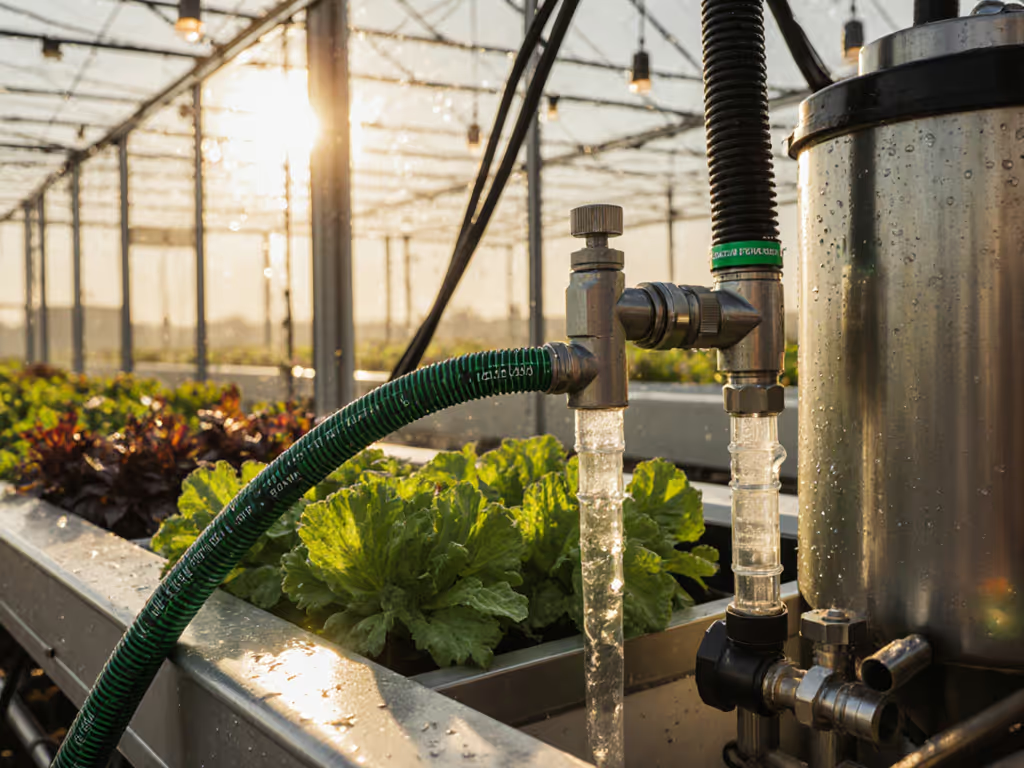
If you want a hose that will outlast your garden beds, stainless steel is the material to seek. These hoses are naturally free from latex, latex-adjacent materials, and chemical coatings. They're also resistant to kinks, punctures, and corrosion (particularly valuable if you live in a humid or salt-air climate). The trade-off is cost and handling: stainless steel is heavier than polyurethane, which matters if you're dragging it across a large yard multiple times daily. But for people with severe latex allergies who want zero ambiguity about material composition, steel offers absolute peace of mind.
What to Avoid: Recycled Materials, PVC, and Natural Rubber
Natural rubber (the kind harvested from rubber trees) contains latex. If you have latex sensitivity, you must avoid hoses marketed as natural rubber or those labeled simply as "rubber" without qualification. Synthetic rubber can be latex-free if it's formulated from petroleum-based polymers, but without clear NSF or FDA certification, you're gambling.
PVC (polyvinyl chloride) and flexible vinyl hoses should be avoided for a different reason: they're often manufactured with plasticizers and additives (including older formulations that contained lead), and they degrade under UV exposure, leaching contaminants over time. Even if a PVC hose is labeled "lead-free at the coupling," that doesn't guarantee the rest of the hose is safe. For a deeper look at how different materials affect safety and performance, read our rubber vs vinyl vs polyurethane comparison. Recycled or "regrind" plastic hoses are especially risky because they can introduce unknown contaminants from their previous use.
Start with the spigot, end with a click-fit finish: Choose only virgin, certified materials. That one rule cuts through the noise.
Reading Labels: Certifications That Matter
Not all "non-toxic" labels carry the same weight. Here's what to actually look for:
- FDA Grade or NSF/ANSI Certified: These certifications mean the hose has been tested for drinking water safety and is free from lead, BPA, and phthalates. If a polyurethane hose carries these marks, you can use it for potable water, filling pet bowls, watering edibles, or filling RV tanks.
- Lead-Free (Full Hose, Not Just Coupling): The label must apply to the entire hose, not just the fittings. A "lead-free coupling" claim is insufficient; lead can hide in the tubing itself.
- UV-Stabilized: This means the material won't break down or leach chemicals when exposed to sunlight, a critical feature for outdoor gear.
- 100% Virgin Material: Look for "virgin polyurethane" or "virgin synthetic" to confirm the hose isn't made from recycled plastics that could harbor contaminants.
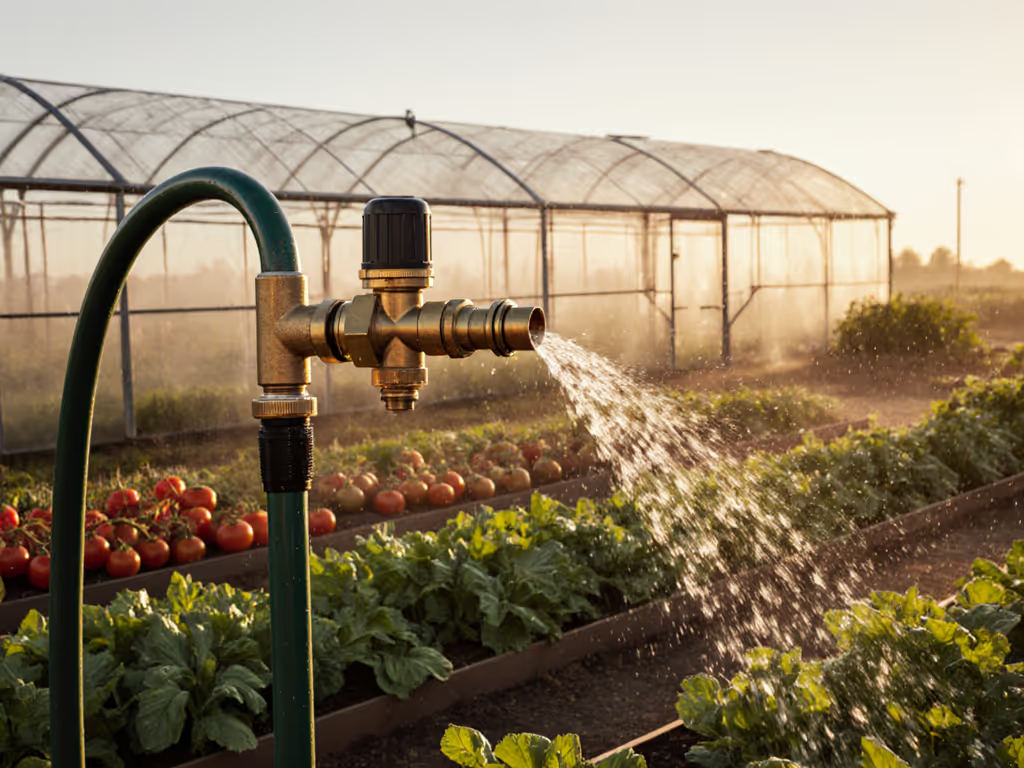
- Brass or Stainless Fittings: Metal fittings are more durable and non-reactive than plastic couplings. Lead-free brass alloy that meets EPA drinking water standards is ideal.
If a hose doesn't clearly state these certifications, move on. Vague language is a red flag.
A Simple Decision Tree for Choosing Your Hose
The right hose depends on your priorities and budget. Here's a warmly direct way to narrow it down:
Do you have severe latex or chemical sensitivities?
- Yes → Choose FDA/NSF-certified virgin polyurethane or stainless steel. Budget $80-150 for a 50-75 foot coil or traditional hose.
- No, but you want peace of mind → Virgin polyurethane is still your best bet.
Is weight a concern?
- Yes → Polyurethane (lightweight, easy to handle, still durable).
- No → Stainless steel (heavier, but nearly indestructible).
Will you use this hose for potable water (edibles, pets, drinking)?
- Yes → Must be FDA/NSF certified. Polyurethane and stainless steel qualify; PVC and recycled materials do not.
- No, just general watering → You still want non-toxic, but you have more flexibility in material choice.
Do you live in a freeze-prone region?
- Yes → Choose a hose that drains completely and pairs with freeze-proof storage. Polyurethane is easier to drain and store than natural rubber or steel.
- No → Standard care applies.
Maintenance and Storage: First-Pass Install Mindset
Once you've selected your latex-free hose, protect your investment. Follow our hose maintenance guide for year-round care that prevents buildup and prolongs lifespan. Drain it fully after each use to prevent bacterial growth and mineral buildup, especially important if you're sensitive to contaminants or mold. Store it in a cool, shaded spot, coiled loosely on a reel or flat on the ground, never kinked or twisted. In freeze-prone climates, bring the hose indoors or use a heated storage box over winter.
Inspect fittings annually for corrosion or buildup. If brass or stainless connections show white deposits (mineral scale), soak them in white vinegar to restore flow. Replace rubber washers or O-rings every 2-3 years; they're inexpensive and often the culprit behind slow leaks.
Your Next Step
Start your search by filtering for FDA/NSF-certified virgin polyurethane or stainless steel hoses from manufacturers that clearly state their material composition and certifications on the product page or label. Read reviews from other allergy-sensitive users, and they'll often call out tactile triggers or off-gassing you'd want to know about. Once you land on a hose, pair it with similarly certified brass or stainless fittings and a quality nozzle. Need help choosing one? See our leakproof nozzle sprayers. A matched system (where every component is documented safe) will give you years of worry-free watering without the returns or skin reactions that come from guesswork.
Compatibility prevents returns; clarity saves weekends. You deserve a hose that works for your body, your garden, and your peace of mind.
Related Articles