Best Pollinator Garden Hoses: Gentle-Flow Test
By Amina Okoye • 27th Mar
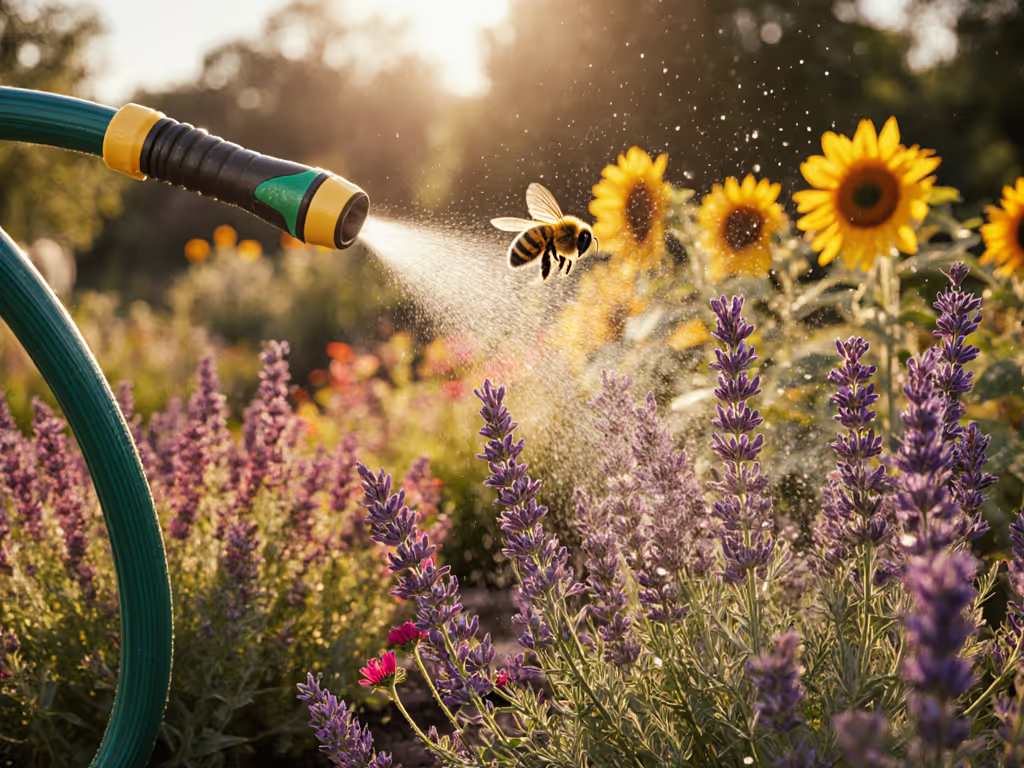
Watering a pollinator garden hose system isn't just about moving water from point A to point B, it's about moving it with intention. When you turn the nozzle, a stream powerful enough to batter delicate bee wings or separate butterfly proboscises from flowers isn't a feature; it's a liability. The right gentle flow pollinator setup protects the insects you've planted for while keeping your hands and body free from strain. Comfort and safety are features, not accessories or afterthoughts.
Why Gentle Flow Matters for Pollinators
Pollinators (honeybees, native bees, butterflies, hoverflies, and beetles) navigate flower beds as their workplace. A harsh spray from a standard garden hose can injure them, shake them off blooms mid-feed, or damage the delicate flowers they depend on. More subtly, aggressive watering compacts soil, crushes low-growing plants, and splashes away the nectar-rich pollen that makes a garden worth visiting.
A bee-friendly watering approach uses lower pressure and a diffuse pattern. This means the water reaches roots and foliage without violence. It also means you (the person holding and positioning the hose) won't experience the fatigue or wrist strain that comes from gripping a heavy nozzle or fighting water pressure all season.
I learned this viscerally at our community garden. We had a heavy, kink-prone hose that left wrists sore after even short watering sessions, and the pressure was enough to crush tender seedlings and spray water far from where we aimed. When we switched to a lightweight rubber hose with a swivel-grip nozzle, certified lead-free fittings, and a wall reel, watering became faster and gentler. Nobody iced their hands afterward, and the plants thrived.
Core Characteristics of Pollinator-Safe Hoses
Lightweight and Non-Kinking Design
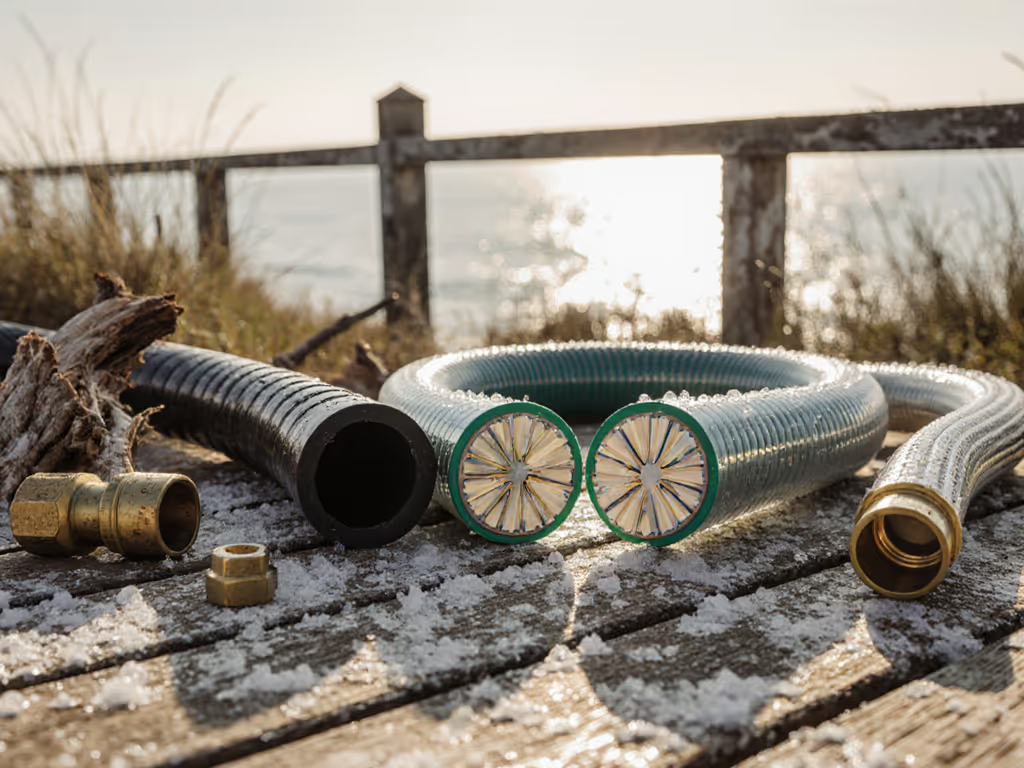
A hose weighing less than 0.15 lb per foot is manageable for extended use without hand or shoulder fatigue. Semi-collapsible or reinforced-weave designs (the kind that resist kinks even when coiled tightly) make strain-free setup possible. When your hose doesn't demand constant wrestling, you're more likely to water consistently and carefully, which pollinators reward with regular visits.
Kink-resistant construction also protects water quality. Pinched or kinked sections trap sediment and algae, which can clog nozzles or introduce debris into delicate flower beds.
Gentle-Flow Nozzle or Spray Attachment
The nozzle is where gentle intention becomes reality. For specific gentle-spray picks, see our ergonomic nozzle sprayers guide. Look for:
- Adjustable spray patterns: Rain-like or mist settings distribute water without pressure spikes
- Easy one-hand operation: A soft-touch trigger prevents fatigue and gives you better control over where water lands
- Low minimum pressure: Nozzles rated for 20 to 40 PSI allow you to water seedlings and blooms without fear of damage
- Swivel base: This reduces hand twisting and wrist strain, especially during longer sessions
Lead-Free and Food-Safe Fittings
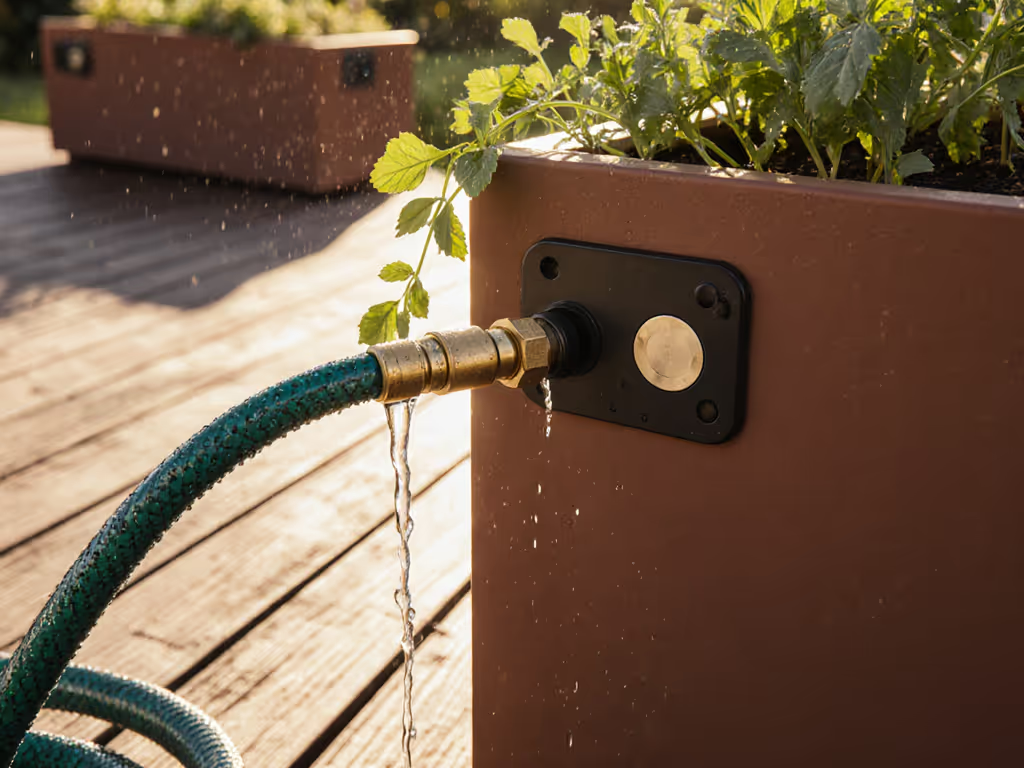
If your pollinator garden includes edible flowers or shares space with vegetable beds, every connection matters. Certified lead-free brass fittings (often marked NSF or meeting California Proposition 65 standards) ensure that water stays clean from spigot to soil. Rubber seals and O-rings should be food-grade to avoid leaching chemicals into the growing zone.
Testing for Comfort and Safety
Before committing to a hose system, run three simple checks.
The Weight Test
Fill the hose with water and hold it at waist height for two minutes. Can you keep it steady without your hand, wrist, or shoulder aching? If you feel strain after 120 seconds, it's too heavy for regular pollinator-garden work. This is not about weakness. It's about physics and ergonomics. A lightweight hose means you'll actually use it, not reach for a watering can out of frustration.
The Flexibility Test
Coil the hose tightly (as tight as you'd store it on a reel) and let it sit in the sun for an hour. Uncoil it gently. Does it flatten and lay straight, or does it spring back into coils and kinks? A hose that holds coil memory will twist and tangle around your legs and plants, wasting time and potentially damaging seedlings.
The Pressure and Flow Test
Attach your nozzle to the hose and set it to the finest mist or rain setting. Turn on the water slowly. At your normal spigot pressure (typically 40 to 60 PSI in suburban homes), does the nozzle spray a soft, rain-like pattern? Or does it surge and splatter? If it's too aggressive even at mist, it's not suited for delicate work. Ideally, you should be able to water seedlings and open flowers without fear.
Building a Strain-Free Setup
Right-Size Hose Length and Diameter
A 50-foot hose in 5/8-inch diameter balances reach and weight for most suburban gardens. Going longer (75 to 100 feet) means more water to fill and carry, which increases fatigue. Going shorter limits your range and requires multiple moves or splitters. For pollinator beds specifically, a secondary 25 to 50 foot hose dedicated to gentle watering keeps you from dragging a heavy main hose across delicate areas.
Reel Placement and Ergonomics
A wall-mounted reel keeps the hose off the ground, reducing trip hazards and mud-splashing. For durable, easy-crank options, see our weatherproof hose reel guide. It also puts the reel at a convenient height for hand-cranking, which protects your back. Swivel-hose connections between the spigot and reel prevent the hose from twisting as you reel or unreel, extending its life and your patience.
Quick-Connect Fittings
If you use a Y-splitter to run two hoses simultaneously (one for gentle watering, one for rinsing), ensure all fittings are lead-free and that the splitter is sized to maintain adequate flow. An undersized splitter chokes water pressure, frustrating you and potentially leading to aggressive force-feeding of the nozzle, which harms plants and pollinators alike.
Water Quality Considerations
A gentle-flow system is only half the solution. The water itself matters. If you irrigate edibles near pollinator beds, choose drinking-water-safe hoses to minimize contaminants.
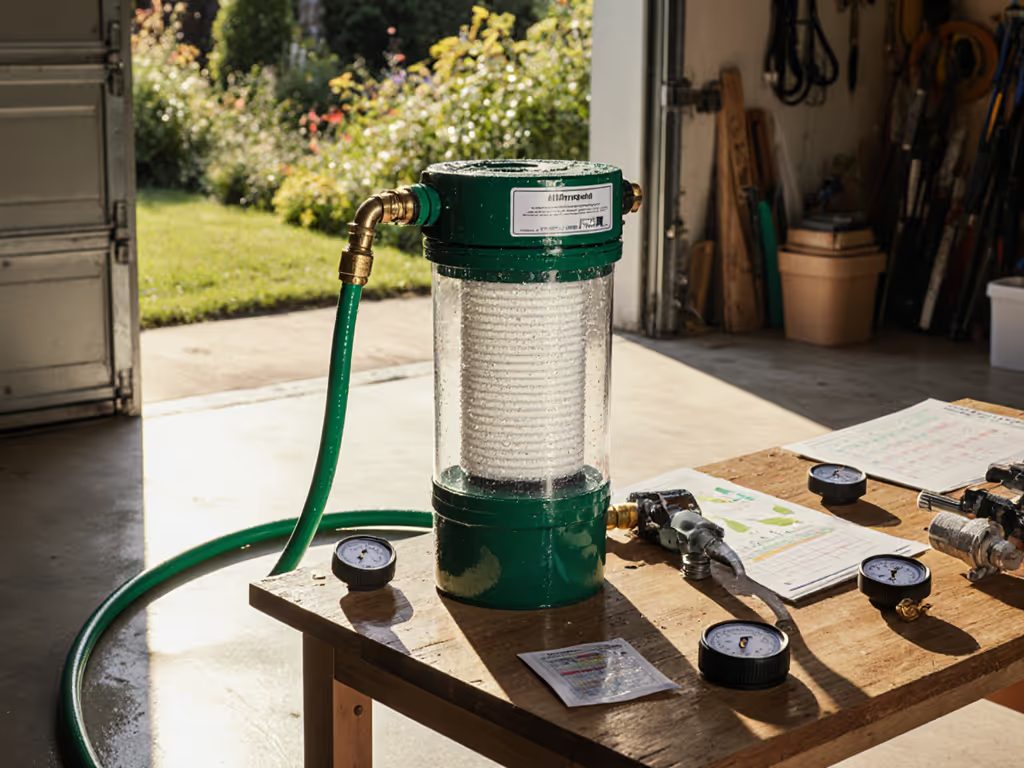
- Chlorine: Many municipal sources treat water with chlorine, which can taste bitter or cause stress in pollinators. If you use a water timer or automatic system, consider a simple charcoal filter or letting water sit in an open tub for 24 hours before watering. Chlorine naturally off-gasses.
- Hard water minerals: If your region has hard water, mineral buildup inside nozzles reduces flow and can force you to crank pressure higher. Flush your system monthly with a 1:1 vinegar-water solution to keep spray patterns consistent.
- Temperature: Hot water can shock roots and harm insects. Always water in early morning or late evening, using cool or room-temperature water. Never store hoses in full sun for extended periods, as water inside can become scalding.
The Comfort-and-Safety-First Ethos
Choosing a pollinator-garden hose is choosing a relationship with your garden that lasts. If it's comfortable and safe, you use it right and longer. You water consistently instead of sporadically. You handle plants and hoses with gentleness instead of frustration. Your pollinators get the calm, nurturing environment they need. Your hands and back thank you.
The upfront investment in a lightweight, kink-free hose with gentle-flow nozzle and certified food-safe fittings often costs a bit more than a bargain hose, but it pays dividends in reduced fatigue, fewer replacements, and better plant and pollinator health. This is exactly the kind of strain-free setup that transforms seasonal chore into sustainable habit.
Further Exploration
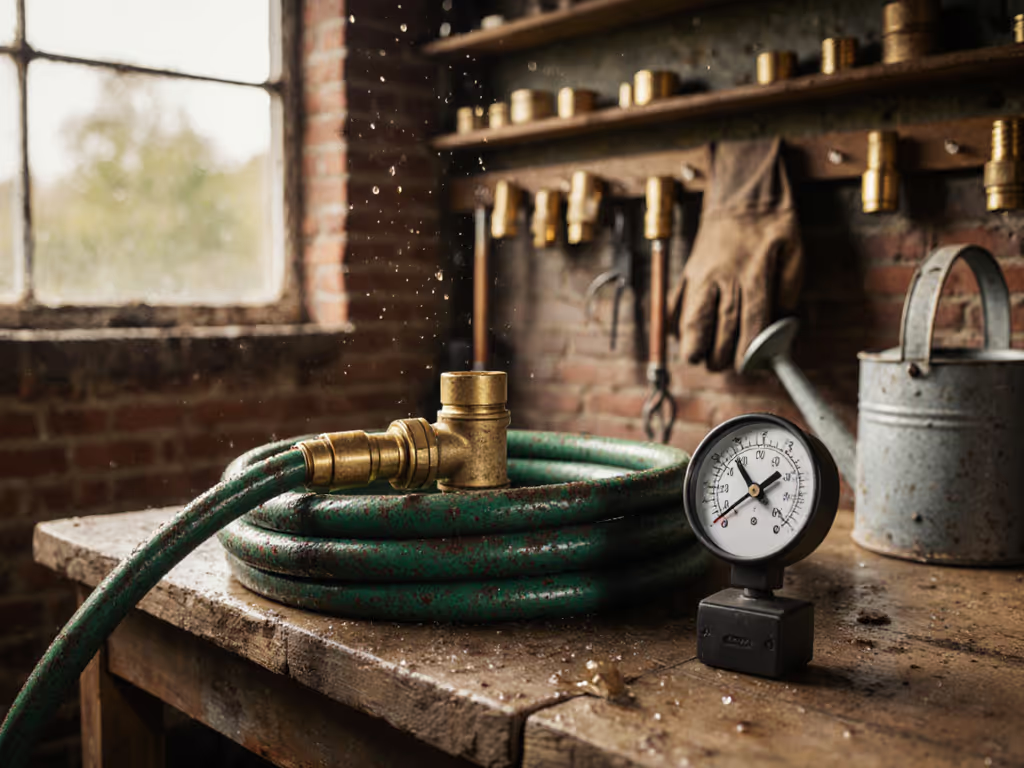
As you plan your pollinator-garden watering strategy, consider these next steps: audit your current hose setup for weight, flexibility, and nozzle gentleness; measure the true distance from your spigot to your farthest bed to confirm hose length; check your spigot's output pressure using an inexpensive pressure gauge (most hardware stores carry them under $10); and test water quality by observing how quickly chlorine smell fades from a collected sample left overnight. These small details will clarify which hose system, and which accessories, will genuinely serve your garden and your comfort for years to come.
Related Articles